Quiet, respectful roof work for Knoxville funeral homes — scheduled around your families, not around our convenience.
A Roof That Keeps Its Composure
A funeral home is one of the few commercial buildings where the roof is judged on appearance and silence as much as on whether it keeps water out. Families arriving on Kingston Pike, gathering at a chapel off Broadway in North Knoxville, or pulling into a Bearden establishment near the Sutherland Avenue corridor notice a stained ceiling tile, a drip in the foyer, or the racket of a crew working overhead. We treat funeral home roofing as work that has to disappear into the background of someone else's worst week.
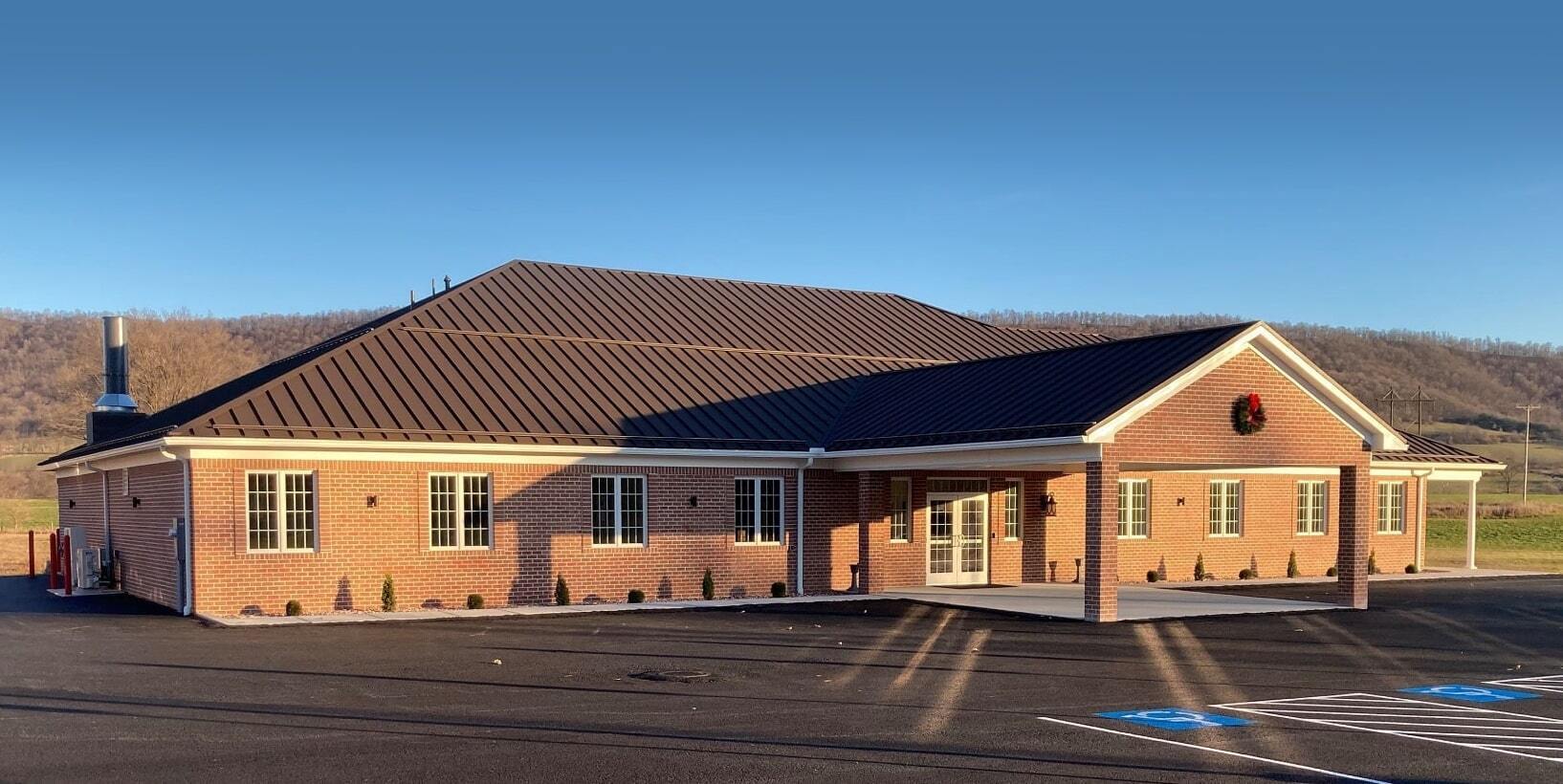
We have walked roofs on the older masonry funeral homes near Old Gray Cemetery and on the newer single-story facilities built along the Western Avenue and Clinton Highway approaches into the city. The building types are different, but the priority is the same: get the roof watertight and presentable without the work ever becoming part of the family's memory of the day.
Most commercial roofs are scheduled around weather and crew availability. A funeral home roof is scheduled around the visitation and service calendar. Visitations run into the evening, often seven days a week, and a service can be set on short notice after a death call. Before we price the job we ask for the director's calendar and build the work sequence around it — no tear-off over the chapel during a service, no compressor noise during visitation hours, and no staging that blocks the entrance families use.
We confirm the building is dried in and presentable before it closes each day. If a service is added mid-project, we adjust the sequence rather than asking the home to move it. That flexibility is the whole point of hiring a contractor who has done this work before.
The Preparation Room Changes the Job
The embalming and preparation area is what separates funeral home roofing from ordinary low-slope commercial work. These rooms run under negative pressure to contain formaldehyde and other chemical vapors, and the rooftop exhaust that pulls those vapors out cannot be capped, blocked, or shut down for our convenience. Before mobilizing we locate the exhaust stack, treat the flashing around it as its own scope item, and coordinate with the director so the exhaust keeps running while we work near it.
That exhaust also tells us something about the deck. Years of warm, moist, chemically loaded air rising against the underside of the roof can degrade fasteners and insulation from below, where no surface inspection will catch it. On preparation-room roof sections we core sample and run a moisture survey before recommending a recover, because the membrane up top can look fine while the assembly beneath it is wet.
Chapels, Canopies, and Quiet Entries
Many Knoxville funeral homes include a chapel that spans 40 to 60 feet with no interior columns, the same clear-span condition we manage on sanctuary roofs. Those spans flex and generate real wind uplift, so they need a fastening pattern and membrane chosen for the actual deck and span rather than a default detail. We confirm the deck type and pull-out capacity before we specify anything.
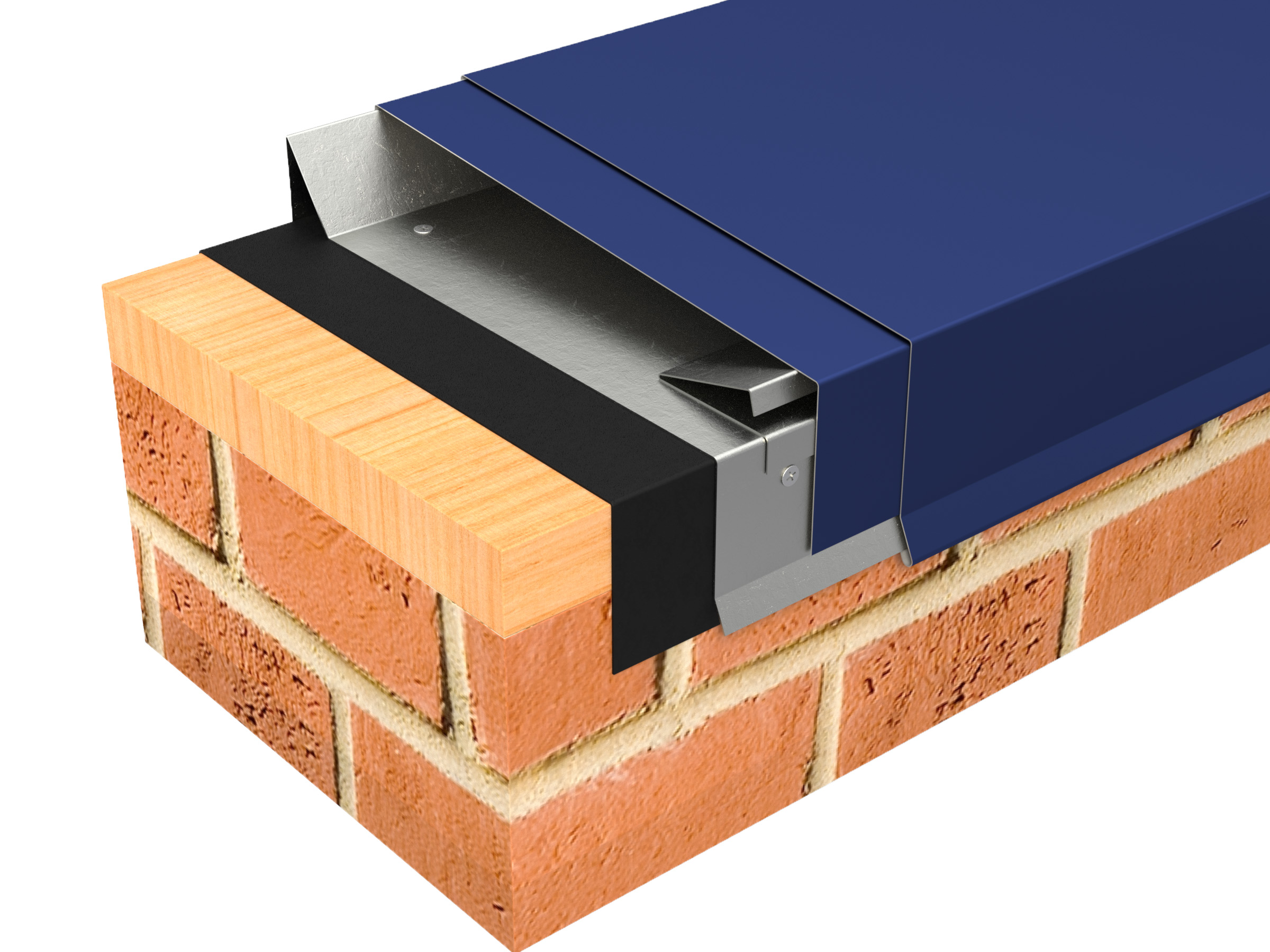
The porte-cochere, the covered drive where families are received, is the other recurring trouble spot. The flashing where that canopy meets the building wall, and the drainage off the canopy itself, are a common source of slow leaks that show up as stains right above the entrance. We inspect and address those transitions as discrete items, because nothing undermines a dignified facility faster than a water stain over the front door.
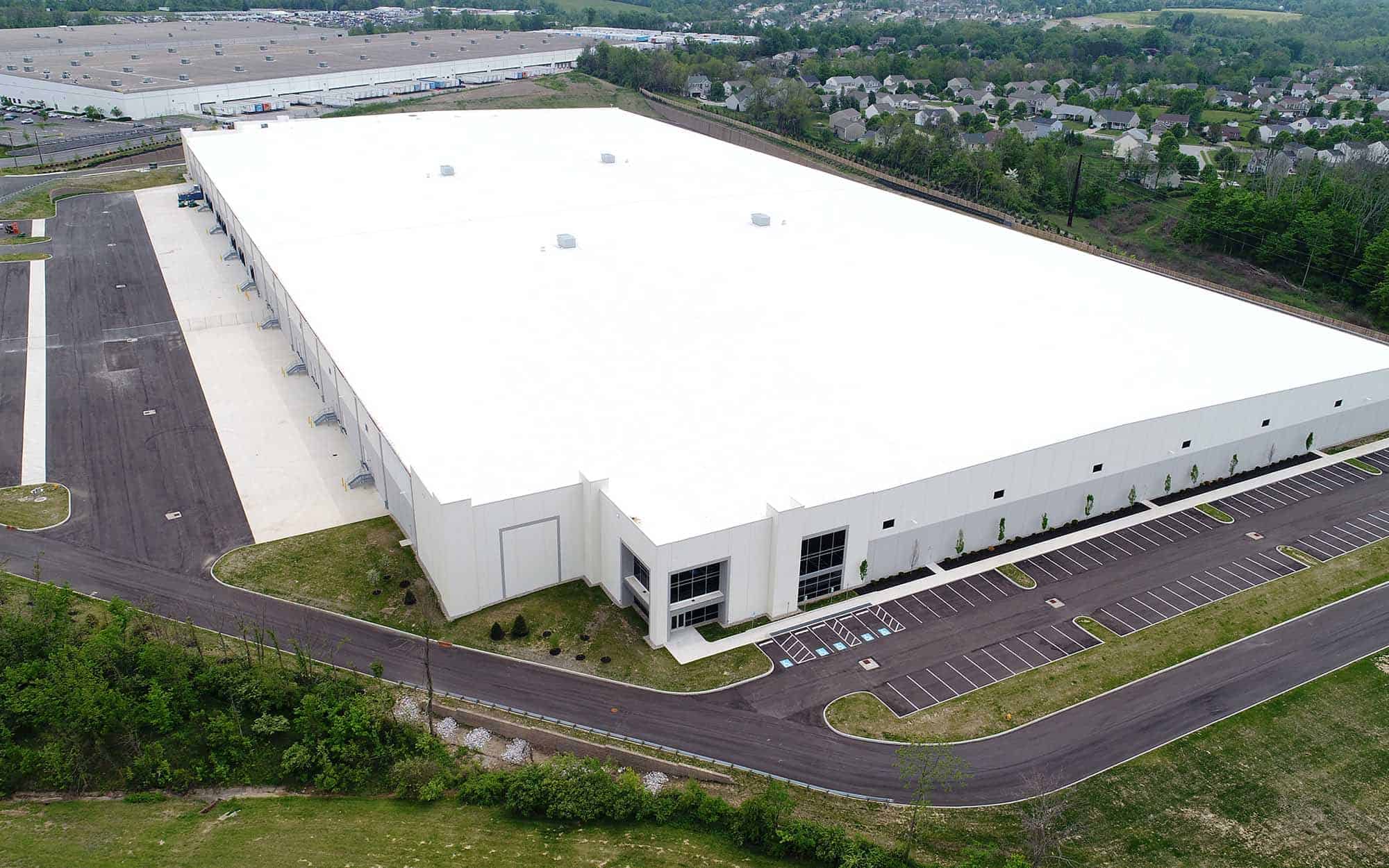
For most flat-roof funeral homes in the Knoxville area, a 60-mil TPO membrane mechanically attached over tapered polyiso insulation is the workhorse specification. The tapered insulation corrects the drainage problems common on older buildings, where decades of settlement and the humid East Tennessee summer leave ponding water sitting against the membrane long after the rain stops. Standing water is what ages a low-slope roof prematurely, so we design the slope to clear it.
Where a chapel sits on a wood deck, we confirm the load capacity before choosing insulation thickness and attachment. Where chloramine, grease, or chemical exhaust is in play near the preparation area, we check membrane and flashing compatibility rather than assuming a standard detail will hold up. The goal is a roof that performs quietly for its full service life with maintenance touchpoints that never interfere with the home's calendar.
We also keep our documentation honest. We tell you what we saw, what we could not verify without opening the roof, what needs containment now, and what belongs in a longer capital plan. You should be able to compare a repair, a recover, and a full replacement without wading through invented credentials or pressure.
Funeral Home & Mortuary Roofing Questions
How do you work around services and visitation?
We build the work sequence around the director's calendar before the job starts. Active service and visitation areas stay protected and quiet during those hours, and we confirm the building is dried in and presentable before it closes each evening. If a service is added mid-project, we reschedule our work, not yours.
How do you handle the preparation-room exhaust stack?
The exhaust stack stays operational the entire project. We locate it before mobilizing, flash around it as a separate scope item with the director's sign-off, and confirm continuous exhaust during any work near it. It is never capped or shut down for roofing convenience.
What membrane do you recommend for a funeral home?
For most flat-roof homes, 60-mil TPO mechanically attached over tapered polyiso. The taper fixes the ponding that ages these roofs in our humid climate. For wood-decked chapels we confirm load capacity first, and near chemical exhaust we verify membrane compatibility before specifying.
Can you take care of the chapel and the porte-cochere?
Yes. Clear-span chapel roofs get a fastening pattern matched to the deck and span. The porte-cochere canopy-to-wall flashing and its drainage are inspected and re-flashed as discrete items, since that transition is the most common source of leaks right over the entrance.
Will the work be visible to families?
We stage materials away from the entrance families use, keep noise out of service hours, and clean up daily. The aim is a roof that gets repaired without the work becoming part of anyone's memory of the day.