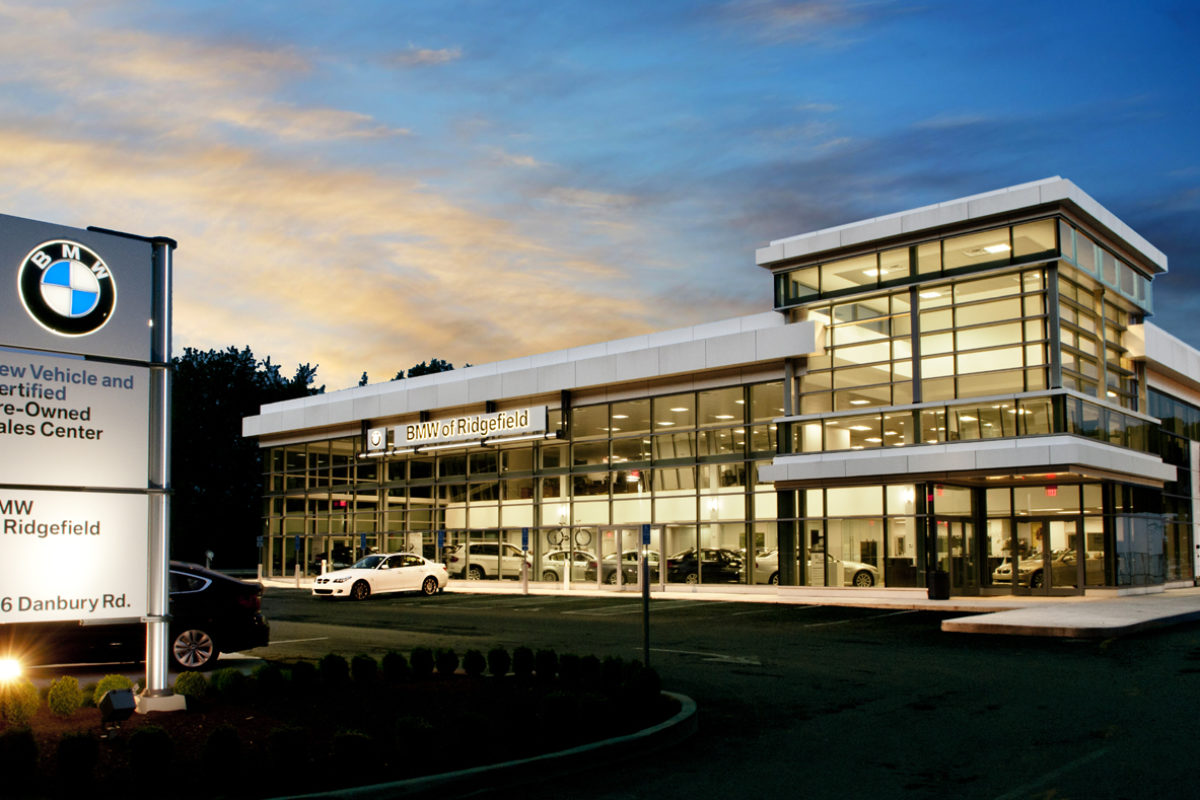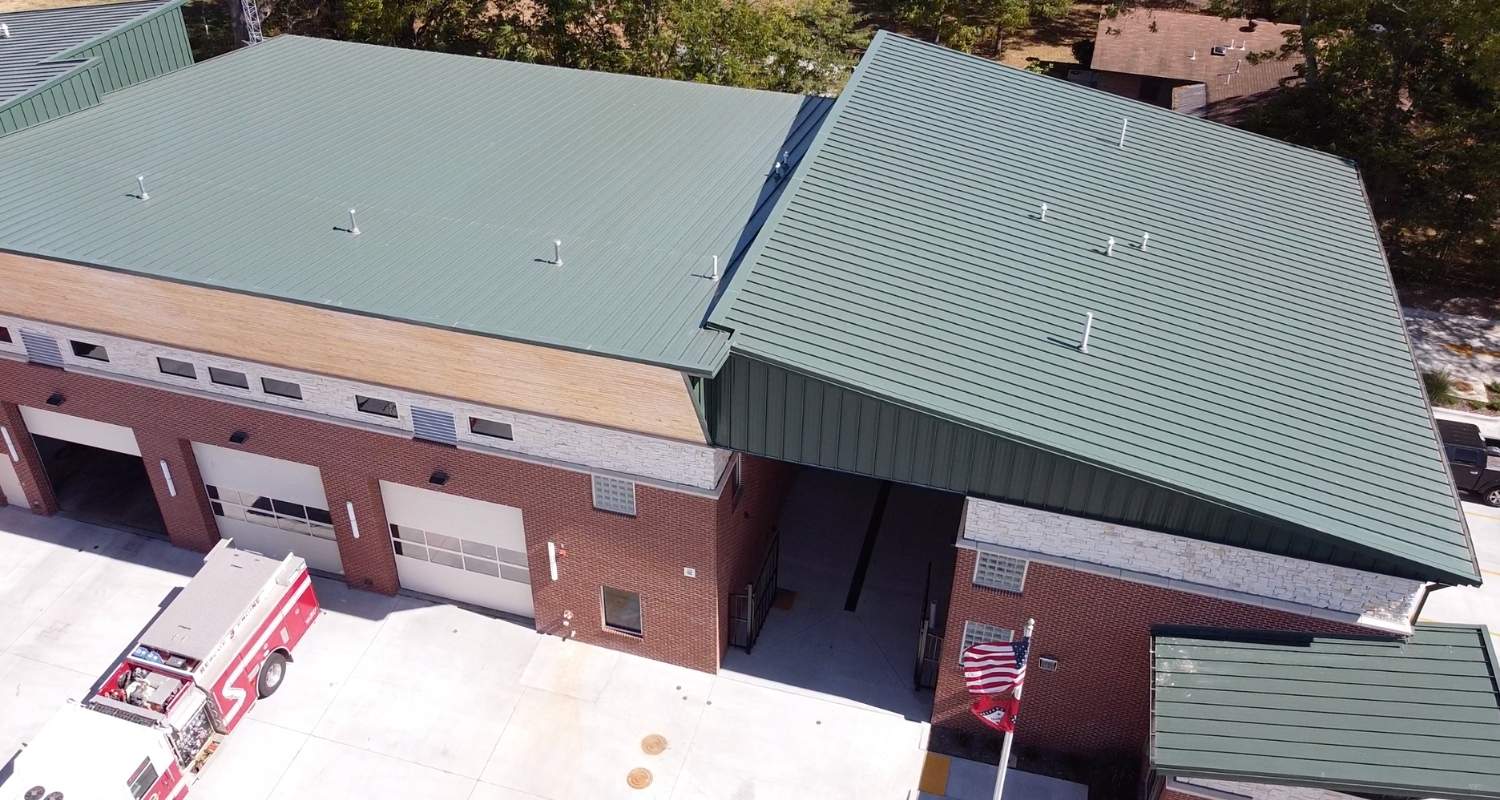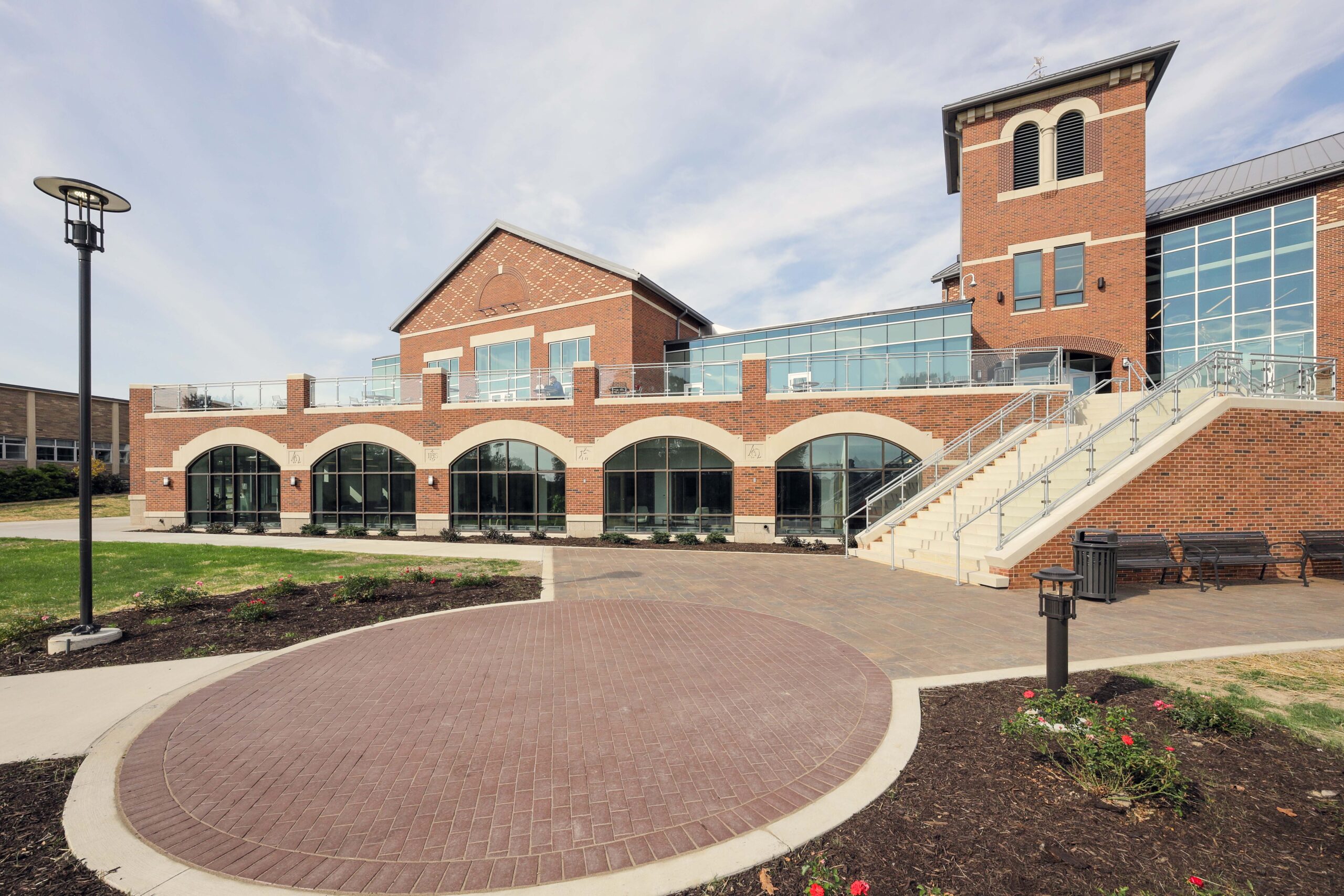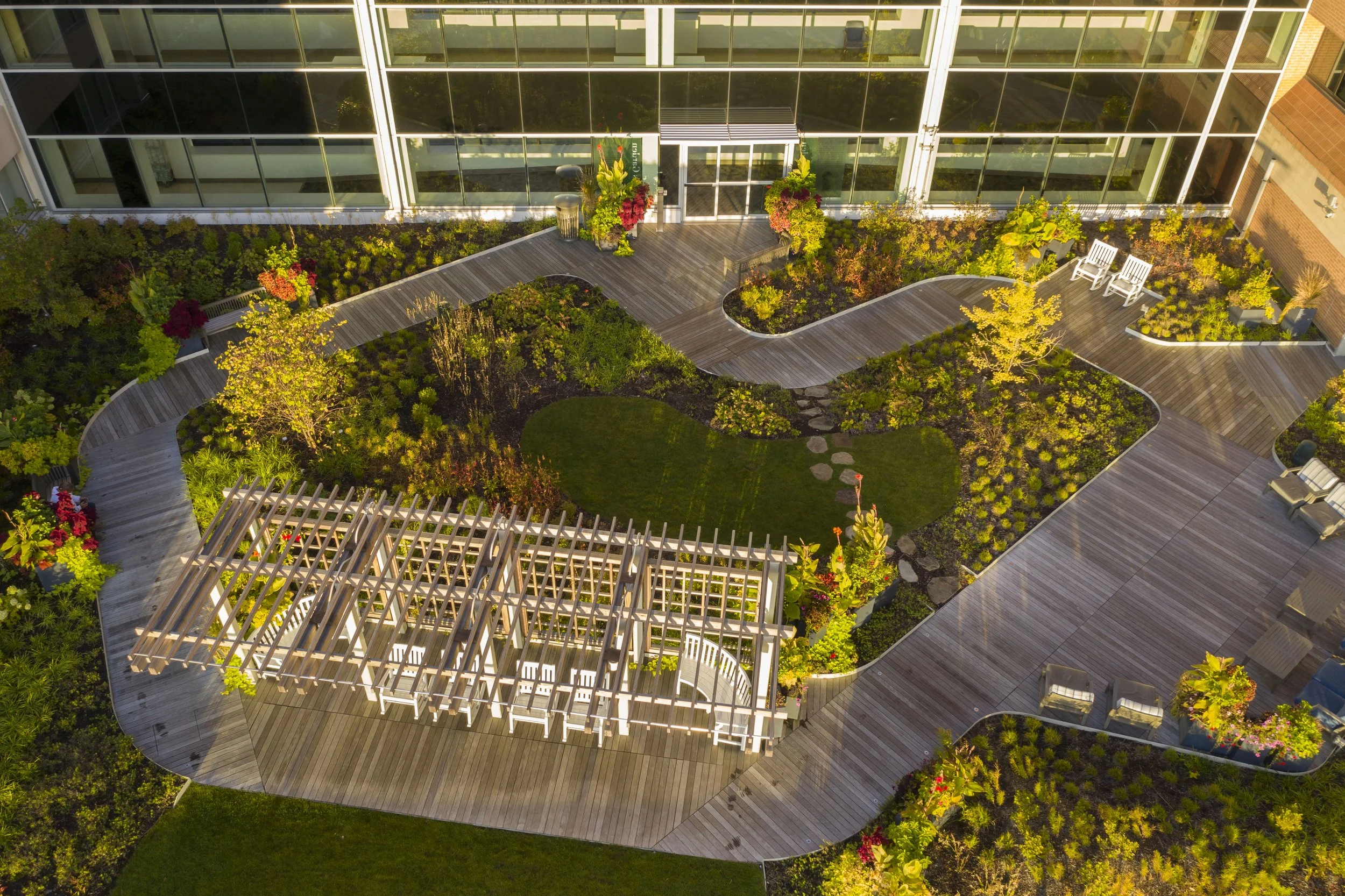
One building, several roof systems — retail decks, residential parapets, and occupied amenity terraces coordinated under a single warranty.
Several Buildings Stacked Into One
A mixed-use development is rarely one roof. It is retail or restaurant space at the sidewalk, structured parking woven into the base, offices or residences above, and often a landscaped terrace or amenity deck somewhere in the stack. Knoxville has been building exactly this kind of project across the South Waterfront redevelopment along the Tennessee River, around the Old City and Jackson Avenue warehouse district, and in the infill rising near Marble Alley and the . Each of those uses puts a different demand on the roof, and pretending the whole footprint is one flat plane is how these projects start leaking.
We approach a mixed-use roof as a set of distinct assemblies that have to talk to each other: the low-slope membrane over the residential top floor, the parapet and penthouse details around the mechanical core, the traffic-bearing waterproofing under a rooftop terrace, and the podium deck separating parking or retail below from occupied space above. Coordinating where those systems meet is the actual work.
The single most expensive mistake on a Knoxville mixed-use building is specifying a standard roofing membrane on a podium deck. The podium is the slab between grade-level retail or parking and the residences above, and it carries planters, pavers, foot traffic, and sometimes vehicles. It needs a traffic-bearing waterproofing assembly with a drainage composite, a root barrier under any landscaping, and a membrane chosen for structural deflection and constant hydrostatic load. A roofing membrane built for maintenance foot traffic will fail under that service, usually within a few years, and the leak shows up in someone's living room or a leased storefront.
Coordinating Warranties Across Uses
The reason mixed-use roofing needs a contractor who has done it before is warranty coordination. A single development may carry a manufacturer NDL warranty on the residential membrane, a separate cold-fluid-applied warranty on the amenity deck, and a below-grade or plaza-deck warranty on the podium. Those are different systems from potentially different manufacturers, and the transitions between them are where coverage gaps hide. We map every assembly, confirm the tie-in details are approved by each manufacturer's technical department, and register the warranties so the owner is not left arguing about which warranty owns a leak at a seam between two systems.
Developers and construction lenders on these projects expect a paper trail to match. That usually means architect-reviewed submittals, manufacturer approval of the specified assemblies, a waterproofing mock-up tested before full installation, quality-control inspection reports at the critical phases, and warranty registration at closeout. We work inside that submittal and QC framework rather than fighting it.
Working Above Occupied Retail and Residences
Much of Knoxville's mixed-use stock is occupied while roof work happens — the ground-floor restaurant is serving lunch and the upper floors are leased. That drives a real phasing plan: noise, vibration, and dust containment worked out before mobilization, dry-in confirmed in writing at the end of every work day, and access and elevator use coordinated with building management so residents and retail tenants are not blocked. Downtown and Old City projects also sit under the city's noise rules, so crew start times and the loudest operations get scheduled accordingly. Staging is the other constraint — on a tight urban infill site there is rarely a lay-down yard, so material lifts and crane picks have to be planned to the hour.
Membranes, Terraces, and Tie-Ins
On the conventional roof areas above residential or office floors, a fully adhered 60-mil PVC or TPO membrane over polyiso is a common specification, chosen for its seam performance and its compatibility with the dense parapet and penthouse flashing these buildings carry. PVC in particular earns its place where rooftop kitchen exhaust or restaurant grease can reach the membrane, since it resists that exposure better than TPO. Rooftop amenity terraces get a traffic-bearing assembly under the finish surface, installed in coordination with the deck-finish contractor and the structural engineer, never a bare roofing membrane with pavers dropped on top.
The parapet and mechanical-penthouse details deserve as much attention as the field. Mixed-use buildings concentrate their HVAC, elevator overruns, and make-up air on a small rooftop footprint, so the flash-through count is high and the clearances are tight. We document every curb, every penetration, and every wall transition before pricing, because an undersized curb or a sloppy penthouse flashing is what turns into a callback over an occupied unit.
Throughout, we keep our reporting plain and verifiable. We separate what we observed from what we are assuming, we flag wet insulation and layer-count issues before they become change orders, and we give ownership a clear comparison of repair, recover, and replacement options for each assembly on the building.
Mixed-Use Development Roofing Questions
Why can't we use the same membrane everywhere on the building?
Because the uses are different. A residential top-floor roof, a landscaped podium deck, and an occupied amenity terrace face different loads, traffic, and hydrostatic conditions. A membrane built for maintenance foot traffic fails under terrace or podium service. We match each assembly to its actual use and coordinate the transitions between them.
What is podium waterproofing and why does it matter?
The podium is the slab between grade-level retail or parking and the occupied floors above. It carries planters, pavers, and foot or vehicle traffic, so it needs a traffic-bearing assembly with drainage composite and a root barrier, not a roofing membrane. Getting this wrong is the most common and most expensive failure on these projects.
How do you keep multiple warranties from leaving coverage gaps?
We map every assembly on the building, confirm each tie-in detail is approved by the relevant manufacturer's technical department, and register all the warranties at closeout. The transitions between systems are where gaps hide, so that is where we focus the documentation.
Can you work while the retail and residences are occupied?
Yes, and most of these jobs are. We phase the work, contain noise and dust, confirm dry-in in writing daily, and coordinate elevator and entrance access with building management. Downtown and Old City sites also get a schedule centered on the city's noise rules and the tight staging these blocks allow.
What documentation do developers and lenders expect?
Typically architect-reviewed submittals, manufacturer approval of each system, a waterproofing mock-up tested before full installation, QC inspection reports at critical phases, and warranty registration at closeout. We work inside that framework from preconstruction through final inspection.