Wide-open auditoriums, no columns, and a roof that has to span it all
A cinema is, structurally, a row of big empty boxes. Every auditorium is a clear-span room with no interior columns, so the roof above carries 80 to 150 feet of deck in a single bay with nothing underneath to help. That span flexes and deflects in ways a retail strip roof never does, and the fastening pattern, insulation attachment, and seam layout all have to answer to it. Most roofers treat a theater like any other low-slope box. We start from the deflection the span actually produces and build the assembly to live with it.
Knoxville is, fittingly, a movie town at the corporate level. Regal has long called this metro home, and the local screen count reflects it: the multiplexes anchoring Turkey Creek and the Pinnacle development out west, the houses near West Town Mall and along the Kingston Pike retail spine, the downtown cinema steps from Gay Street and Market Square, and the screens serving the Hardin Valley and Farragut growth corridors. We work the full range, and a twelve-screen multiplex off Parkside Drive presents a completely different roof than a renovated single-house downtown.
The rooftop above a multiplex is a crowd
Cinemas pack a startling amount of mechanical onto the roof. Each auditorium typically gets its own rooftop HVAC unit sized for a packed house, and on top of that sit concession exhaust, lobby heating vents, and condensers for the walk-in coolers and freezers behind the snack bar. The penetration density above a typical Knoxville multiplex rivals what we see on a hospital or a data center. Every curb, duct, and conduit run gets individually flashed and documented before new membrane goes down over it, because a cluster like that is where leaks start when somebody rushes.
Sound and insulation are part of the spec
A theater roof does acoustic work that other commercial roofs do not. It keeps the thunder of one auditorium out of the next and keeps an East Tennessee downpour from drumming through the ceiling during a quiet scene. The insulation depth and the way the assembly is built into the deck affect both the energy performance and the sound isolation, so we treat insulation thickness and continuity as a design decision, not just an R-value box to check. On reroofs we look at what the existing assembly was doing acoustically before we change it.
Steel or concrete deck, each with its own attachment
Cinema construction usually runs a steel deck or a concrete deck over structural steel framing, and the two demand different membrane approaches. Steel deck takes mechanical attachment directly, but fastener pull-out values depend on the rib depth and gauge, and older short-rib deck holds far less than modern three-inch rib. Concrete deck wants an adhered or, where loads allow, a ballasted system. We core every theater before we spec, confirming the existing insulation layers, moisture content, and total weight in place before we decide between a recover and a full tear-off.
We work around the show schedule
Cinemas run from early afternoon to past midnight, seven days a week, which puts them in the same scheduling bracket as 24-hour buildings. We sequence tear-off and dry-in so every roof section is watertight before the evening screenings begin, and we coordinate any HVAC shutdown for curb or penetration work into the daytime hours when auditoriums are dark. Loading-dock access for your HVAC service contractors and the foot traffic near the entrances all factor into where the crew stages, so the work never collides with a crowd arriving for a showtime.
Marquee and entry canopies, where the leaks hide
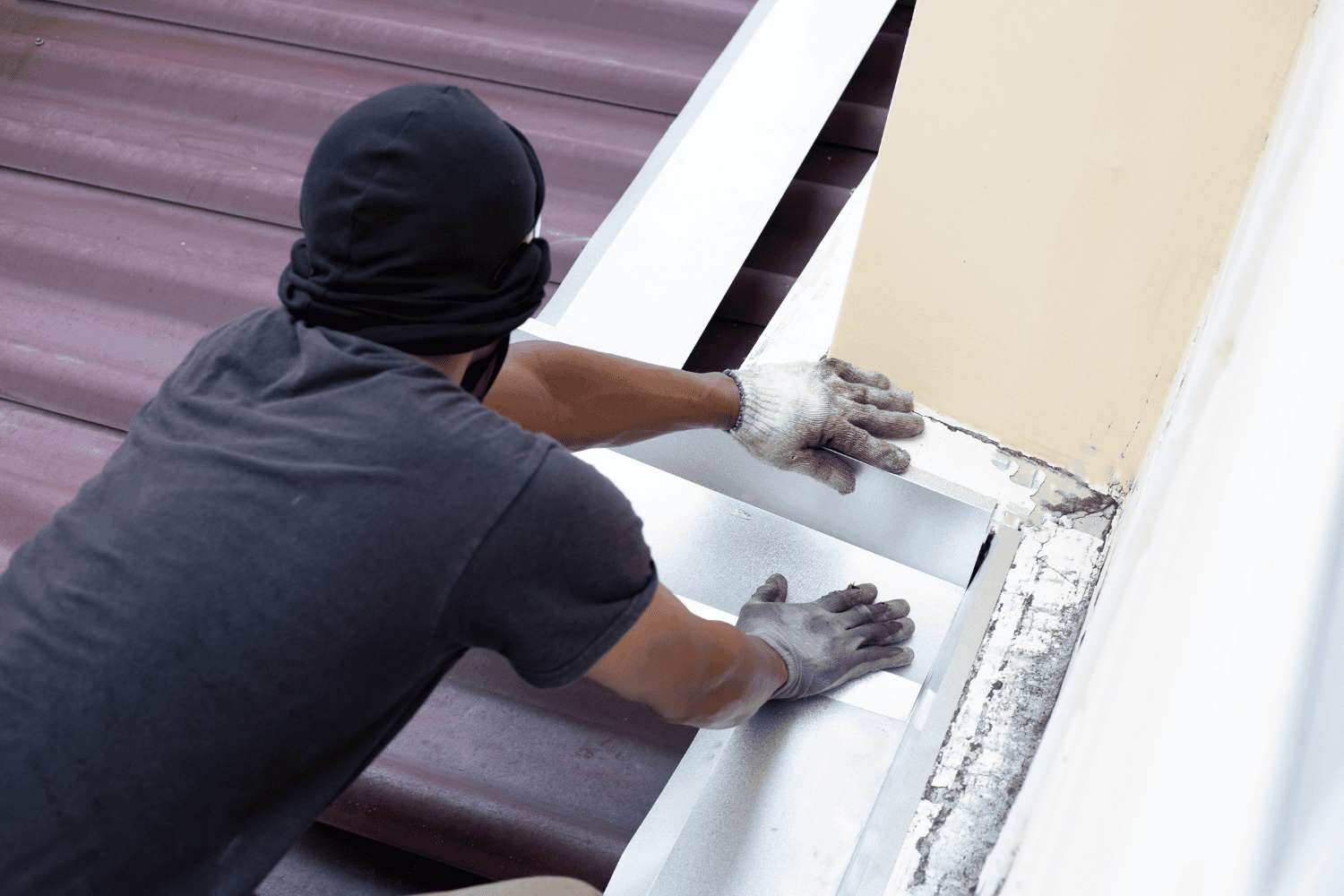
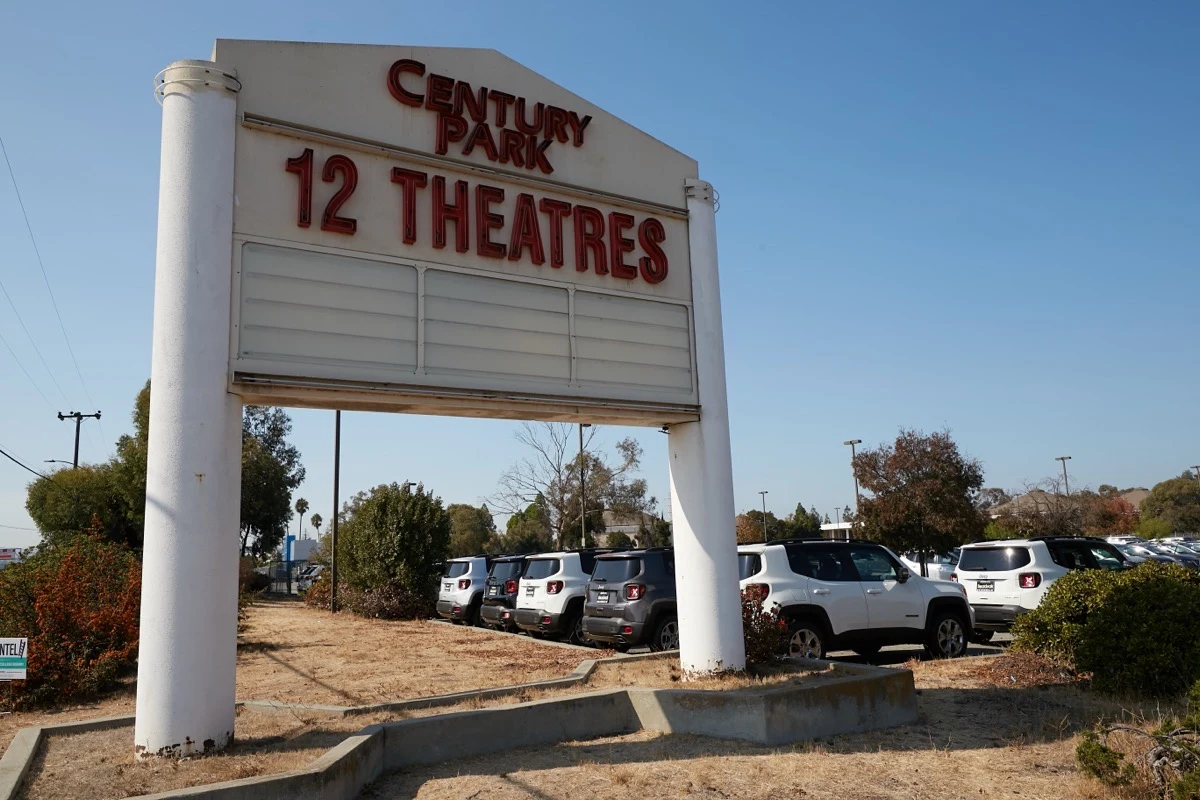
The marquee and the entry canopy are quiet troublemakers. Their support fasteners and sign conduit penetrate the membrane, and the canopy-to-building transition at the entrance is one of the most common sources of chronic leaks on older Knoxville theaters. We treat every marquee attachment and canopy tie-in as its own flashing item and re-detail those transitions as part of the project rather than hoping the old caulk holds another season.
Movie Theater Roofing Questions
60-mil or 80-mil TPO mechanically attached over tapered polyiso is our common multiplex spec here. The tapered iso corrects the drainage that goes flat over decades on a theater roof, and white TPO meets the cool-roof energy code most jurisdictions now apply to commercial reroof permits. Around the busy rooftop HVAC clusters we add reinforced walkway pads so service crews do not chew up the membrane.
Large-span steel deck needs fastener patterns and pull-out testing matched to the rib depth and gauge, so we verify the deck before specifying attachment, since older short-rib deck holds far less than modern three-inch rib. Where deflection is a real concern we may go adhered or hybrid to keep point loads from concentrating at the seams.
Yes. We plan around the screening schedule and evening operations, sequencing tear-off and dry-in so each section is watertight before the evening shows, and we coordinate any HVAC shutdown for curb or penetration work into the daytime when the auditoriums are dark.
Per roof square, based on membrane spec, the condition of the existing assembly, penetration density, and access constraints. Most multiplex reroofs include tapered insulation, which adds cost but meaningfully extends membrane life by ending the ponding. We give a fixed-price proposal after a roof walk and a core sample review.
Yes. Marquee and canopy attachment points where fasteners or supports go through the membrane are treated as individual flashing items, and the entry canopy-to-building transition, a frequent source of chronic leaks on older theaters, gets re-flashed as part of every cinema project we do here.