Commercial roofing for churches, worship centers, and religious facilities throughout Knoxville, TN.
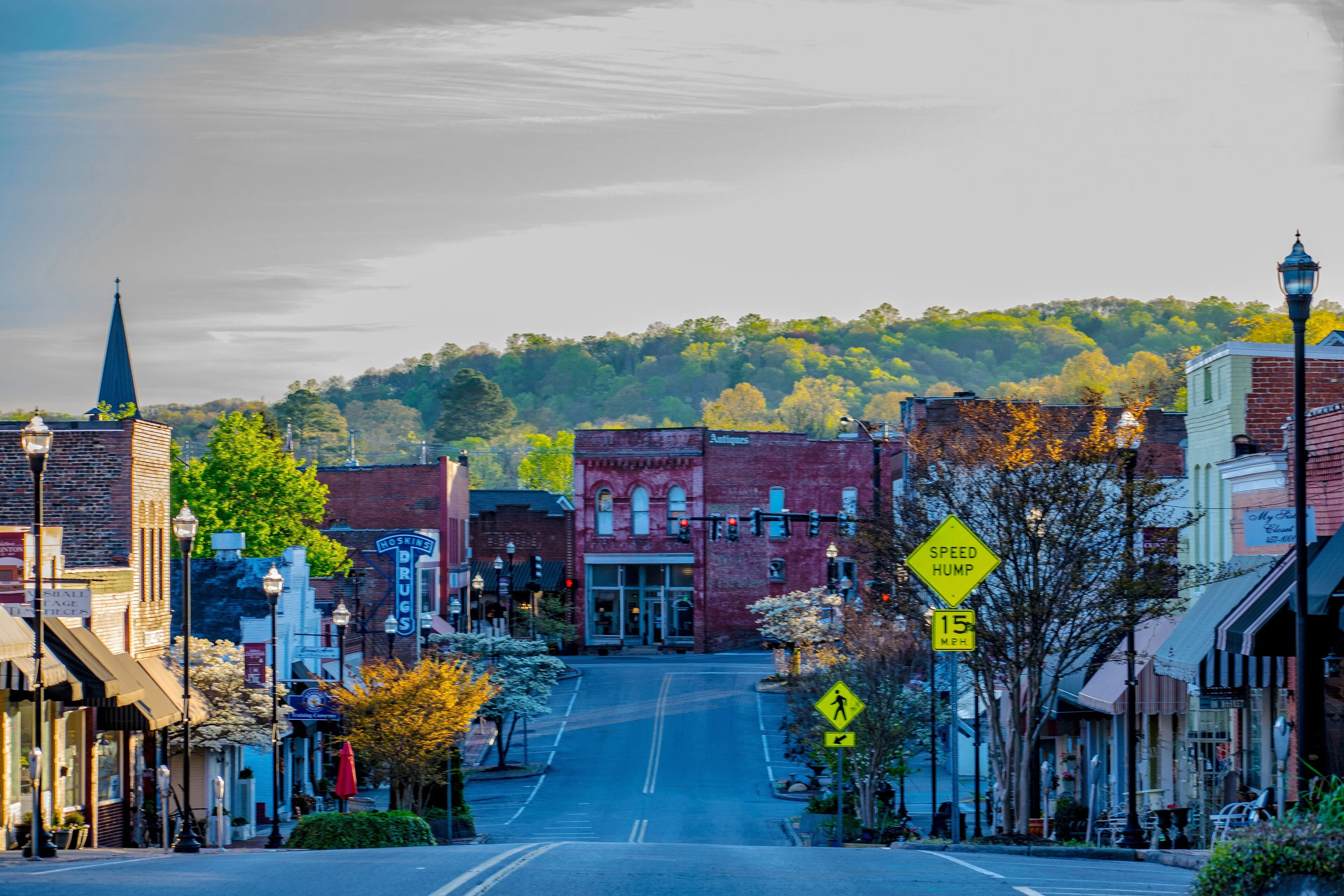
Knoxville's Central Baptist Church, one of the largest and most historic Baptist congregations in East Tennessee, occupies a downtown campus that has been a center of community life for generations. Across the Knoxville metropolitan area, religious institutions range from CentralBaptist's landmark urban campus to the sprawling evangelical churches along Kingston Pike, the Korean and Hispanic congregations of the western suburbs, and the small rural churches scattered throughout Knox County. Commercial roofing contractors who serve the Knoxville faith community must be equipped to work across this full spectrum of building types, ages, and institutional scales.
Tennessee's climate presents a demanding mix of seasonal extremes for church roofing systems. Knoxville sits in a valley where cold air drainage from the surrounding Appalachian ridges can produce late-season ice events even after spring has arrived in surrounding areas. Summer temperatures are hot and humid, with afternoon thunderstorms that deliver intense short-duration rainfall. Winter occasionally brings significant ice accumulation rather than snow — a particularly damaging condition for low-slope roofs where ice loading in gutters and at eave transitions can cause structural distress and water backup beneath membrane edges. Addressing these vulnerabilities proactively during a re-roofing project pays long-term dividends.
Clear-span sanctuary design dominates the large evangelical churches of West Knoxville, which grew dramatically during the suburban expansion of the 1990s and 2000s along Lovell Road and Ebenezer Road. These wide, unobstructed worship spaces create engineering requirements for roofing systems that must accommodate significant thermal movement across Tennessee's seasonal temperature range. Properly detailed expansion joints at regular intervals, combined with mechanically attached or fully adhered single-ply membranes, provide the combination of flexibility and watertight integrity that long-span clear-span roofs require.
Capital campaigns in Knoxville's churches often reflect the city's culture of community investment in faith institutions, which are among the most important social organizations in East Tennessee. The University of Tennessee's presence in Knoxville also means that some congregations include academic professionals among their membership, lending a culture of thorough analysis to major facilities decisions. Contractors who prepare comprehensive project documentation — scope narratives, warranty comparisons, reference lists, and phasing options — find receptive audiences with the building committees at Knoxville's larger, more professionally managed churches.
Scheduling at Knoxville churches requires early coordination to map the congregation's programming calendar against the proposed construction schedule. Many Knoxville churches operate summer youth programs, vacation Bible school, and mission trip preparation activities during the prime summer construction window. The University of Tennessee's football season, which brings intense activity throughout the fall in Knoxville, creates scheduling complexity for churches that host tailgate events or community programming tied to game days. A project manager who takes the time to understand the church's full calendar avoids conflicts that damage the contractor's relationship with the facilities team.
Committee decisions in Knoxville's Baptist and evangelical churches tend to require deacon board approval for significant facilities expenditures, with larger projects sometimes requiring congregational ratification. The process is typically deliberate and trust-based — congregations here invest significant confidence in the contractors they select, and they expect that investment to be honored through professional performance and honest communication. Contractors who build relationships with the East Tennessee roofing market over many years, accumulating references from church after church, find that their reputation is their most effective sales tool.
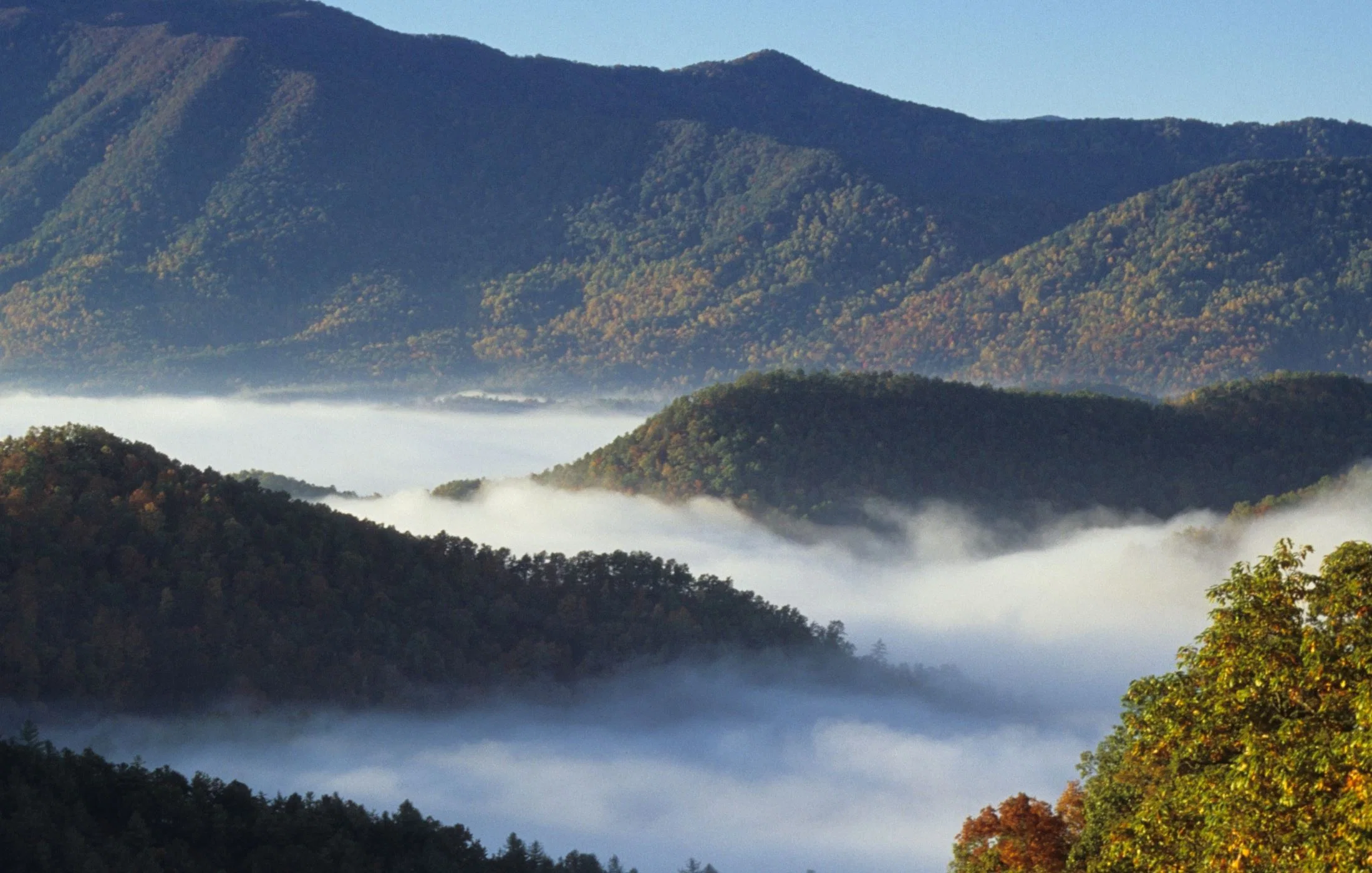
Knoxville's position near the Smoky Mountains brings distinctive weather patterns including higher-than-average rainfall and periodic windstorms from mountain gap effects. The terrain-influenced wind patterns can surprise contractors accustomed to flat-terrain cities, producing localized high-wind events that damage improperly attached roofing components. Edge metal and parapet cap flashing specifications for Knoxville church roofs should account for these local wind effects, with fastener spacing and metal gauge chosen conservatively rather than at minimum code values.
Architectural features on Knoxville's historic religious buildings include traditional brick construction, ornamental details in stone and terra cotta, copper gutters and downspouts, and in some cases steeple assemblies with multiple flashings at the base and at each intermediate level. Central Baptist's downtown campus includes architectural elements that have defined its block for decades, and the congregation's attachment to these features is deep. Contractors who approach historic building work with genuine respect for the architectural intention — rather than treating historic details as complications to be minimized — earn the trust of congregations who take their buildings seriously.
Energy efficiency is a growing priority for Knoxville churches managing rising utility costs. Tennessee Valley Authority's commercial rate structure makes electricity relatively affordable, but the aging buildings that make up most of Knoxville's church stock were designed with minimal insulation, and heating and cooling costs remain significant. Adding insulation during a re-roofing project — from existing levels of R-10 or less to R-25 or higher — delivers measurable utility savings that can be quantified and presented to the finance committee as a long-term investment return on the insulation upgrade premium.
What information should we send before a Built-Up Roofing roof walk?
Before a Built-Up Roofing roof walk, send the building location, roof age if known, roof access instructions, leak photos, tenant restrictions, and prior roof reports. Those details let us shape the inspection around the actual roof problem instead of arriving with a generic checklist.
Can Built-Up Roofing be handled while the building stays occupied?
For Built-Up Roofing, occupied-building work depends on access, odor, noise, staging room, weather exposure, and how much roof must be opened at one time. We phase the work around dry-in, tenant protection, loading paths, and the operating schedule below the roof.
How do we compare repair, coating, recover, and replacement for Built-Up Roofing?
For Built-Up Roofing, we compare moisture evidence, layer count, deck condition, drainage, age, storm exposure, roof traffic, and future use before naming a scope. That evidence is what separates a repair file from a restoration plan, a recover option, or a replacement budget.
Do you promise manufacturer certification or insurance approval for Built-Up Roofing?
For Built-Up Roofing, we do not invent credentials, promise claim outcomes, or write warranty language before the facts support it. We document conditions, identify manufacturer or carrier questions, and keep recommendations tied to reviewable roof evidence.
What makes Knoxville planning different for Built-Up Roofing?
Knoxville planning for Built-Up Roofing has to account for downtown access, UT and hospital-area traffic, Pellissippi and Oak Ridge industrial corridors, humid Tennessee Valley heat, severe thunderstorms, hail, freeze-thaw movement, leaf debris, and wind-driven rain.