Commercial roofing for full-service hotels, limited-service hotels, extended-stay properties, and hospitality brands throughout Knoxville, TN.
Knoxville occupies a strategic position in East Tennessee that has made it a more dynamic hospitality market than its size might suggest. The University of Tennessee's enrollment and football program generates some of the most intense short-duration hotel demand spikes in the Southeast — home football Saturdays at Neyland Stadium can fill every hotel within a thirty-mile radius, and the color orange is not merely a team preference but an economic force that local hotel operators must accommodate in their entire operational calendar. Beyond the Vol faithful, Oak Ridge National Laboratory and the Y-12 National Security Complex generate a sophisticated federal contractor and scientific workforce that fills extended-stay properties in the northwest Knoxville corridor throughout the year. The climate these properties operate in — a Southern Appalachian setting with genuine winter cold, intense summer humidity, and the occasional ice event that disrupts the entire region — demands roofing systems built for the full performance envelope.
Tennessee football Saturdays create the sharpest scheduling constraint in the Knoxville hotel market. The University of Tennessee home schedule typically delivers seven to eight home games between September and November, and most hotels within a reasonable drive of Neyland Stadium maintain full booking during these weekends from August reservation opens. Any roofing work that would affect parking access, exterior aesthetics, or guest room access corridors during a game weekend is simply not acceptable — the revenue stakes are too high and the guest expectations too specific. Hotels planning roof replacements in the Knoxville market typically schedule the entire project to be complete by Labor Day if starting in spring, or defer to January through April if starting in fall, entirely avoiding the football window.
Oak Ridge's federal research and nuclear security workforce creates an extended-stay demand pattern that has supported the development of several dedicated long-term-stay facilities in the Knoxville west corridor. Contractors working on classified facility upgrades, scientists visiting for multi-month research rotations, and subcontractor teams supporting Y-12 site work generate consistent multi-week bookings at properties along Pellissippi Parkway and Campbell Station Road. These guests' extended stays make them acute observers of facility condition, and properties that have developed reputations for well-maintained physical plant — including absence of ceiling staining, musty odors, or visible deferred maintenance — maintain preferred status with the DOE contractor community's travel coordinators. Roofing maintenance at these properties is effectively part of the federal contractor relationship management strategy.
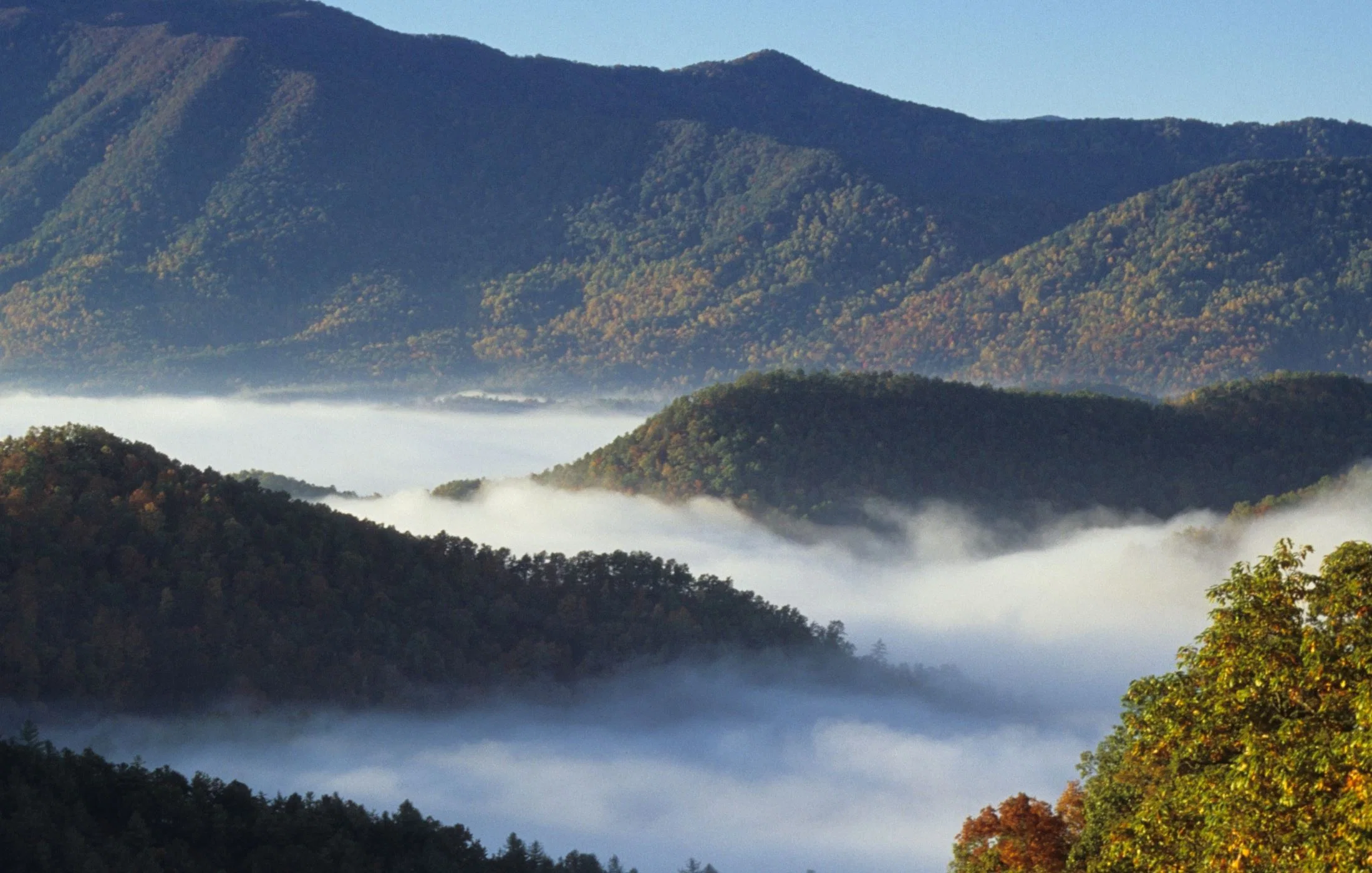
The Southern Appalachian climate delivers a roofing challenge that is distinct from both Deep South and northern mountain markets. Knoxville's location in the valley between the Cumberland Plateau and the Great Smoky Mountains creates an orographic effect that concentrates moisture from weather systems moving through the region, delivering higher annual rainfall than regional climate statistics suggest and producing ice storm events when cold air from the north meets warm moisture from the south in the valley floor. The February ice storm that paralyzed Knoxville for four days in one recent winter demonstrated that infrastructure designed for occasional cold events can fail systematically under an ice load that a northern city would consider moderate — commercial roofs included. Hotels that had never installed heat trace at drains experienced multiple simultaneous interior leaks as the ice thawed unevenly.
Property Improvement Plans for Knoxville franchise hotels increasingly focus on the energy performance characteristics of roofing assemblies as Tennessee joins the national trend toward stricter commercial energy codes. The Tennessee Energy Code update cycle has brought minimum insulation requirements for commercial roofs closer to the levels that northern states have required for years, and PIP-driven replacements must now specify insulation values that may significantly exceed the original assembly specifications. A full-service Knoxville hotel replacing a 1990s-era built-up system over a wood-fiber board composite assembly needs not just a new membrane but a complete insulation upgrade to achieve energy code compliance on what the building department will classify as a substantial renovation. Contractors who scope the work as a simple membrane replacement without insulation upgrade are omitting a required component, which creates permit and inspection failures.
Low-slope TPO membrane systems with cover board over polyisocyanurate insulation have proven well-suited to the Knoxville climate's thermal demands. The reflective surface addresses summer heat loading during the humid July and August weeks when Knoxville temperatures combine with valley humidity to maintain surface temperatures well above ambient, and the flexible seam performance of TPO handles the periodic freeze-thaw cycling without the brittleness concerns that affect some aged modified bitumen systems in cold snaps. Full-service hotels on Papermill Drive and in the West Knoxville development corridor that have completed TPO replacements over the past decade have documented improved HVAC energy consumption during summer months and reduced emergency repair costs during the winter events that periodically stress Knoxville roofs.
The Gateway area hotels along Merchants Drive and the downtown convention zone properties near the Knoxville Convention Center serve the convention and government meeting market that forms a significant share of Knoxville's year-round demand. Convention hotels face a specific roofing challenge: pre-function spaces, exhibit halls, and meeting room wings often have distinct low-slope roof sections that were constructed as additions to the original hotel structure at different times, creating a patchwork of membrane ages and specifications that require different maintenance approaches. An infrared moisture survey on a convention hotel property in Knoxville typically reveals that the newest addition has the best-performing roof and the original hotel section from the 1970s or 1980s has the most significant saturation — a pattern that guides prioritized replacement spending more accurately than a uniform per-square-foot analysis.
The Great Smoky Mountains tourism economy drives a secondary Knoxville hotel demand segment that peaks from May through October as visitors use the city as a gateway or overflow accommodation for the most visited national park in the country. Hotels along Chapman Highway and in the southeast Knoxville corridor that capture this gateway traffic operate at high summer occupancy precisely when roofing work is most disruptive to complete. The corollary is that January through March — after the holiday ski season in the Smokies and before spring wildflower tourism begins — represents the lowest gateway-tourism demand period and the best scheduling window for major roofing work on properties in this corridor. Contractors who understand the East Tennessee tourism calendar can schedule Smoky Mountains gateway hotel projects with the precision that the seasonal demand pattern requires.
Preventive maintenance for Knoxville hotel roofs should be structured around both the weather calendar and the demand calendar. An October inspection before football season ends and winter approaches documents any summer damage and prepares the roof for the cold season. A May inspection after the spring severe weather period and before summer tourism peaks assesses any winter ice damage and addresses open items before the gateway tourism wave begins. A biennial infrared moisture survey, scheduled in March when the low-demand shoulder season allows contractor access and the winter's moisture loading makes wet insulation most detectable, completes the program. Hotels that maintain this schedule and keep organized records have a documented performance advantage in franchise QA reviews and in the insurance renewal negotiations that are increasingly sensitive to East Tennessee's winter weather exposure.
What information should we send before a Built-Up Roofing roof walk?
Before a Built-Up Roofing roof walk, send the building location, roof age if known, roof access instructions, leak photos, tenant restrictions, and prior roof reports. Those details let us shape the inspection around the actual roof problem instead of arriving with a generic checklist.
Can Built-Up Roofing be handled while the building stays occupied?
For Built-Up Roofing, occupied-building work depends on access, odor, noise, staging room, weather exposure, and how much roof must be opened at one time. We phase the work around dry-in, tenant protection, loading paths, and the operating schedule below the roof.
How do we compare repair, coating, recover, and replacement for Built-Up Roofing?
For Built-Up Roofing, we compare moisture evidence, layer count, deck condition, drainage, age, storm exposure, roof traffic, and future use before naming a scope. That evidence is what separates a repair file from a restoration plan, a recover option, or a replacement budget.
Do you promise manufacturer certification or insurance approval for Built-Up Roofing?
For Built-Up Roofing, we do not invent credentials, promise claim outcomes, or write warranty language before the facts support it. We document conditions, identify manufacturer or carrier questions, and keep recommendations tied to reviewable roof evidence.
What makes Knoxville planning different for Built-Up Roofing?
Knoxville planning for Built-Up Roofing has to account for downtown access, UT and hospital-area traffic, Pellissippi and Oak Ridge industrial corridors, humid Tennessee Valley heat, severe thunderstorms, hail, freeze-thaw movement, leaf debris, and wind-driven rain.