Commercial roofing for mixed-use buildings, urban infill developments, and live-work-play properties throughout Knoxville, TN.
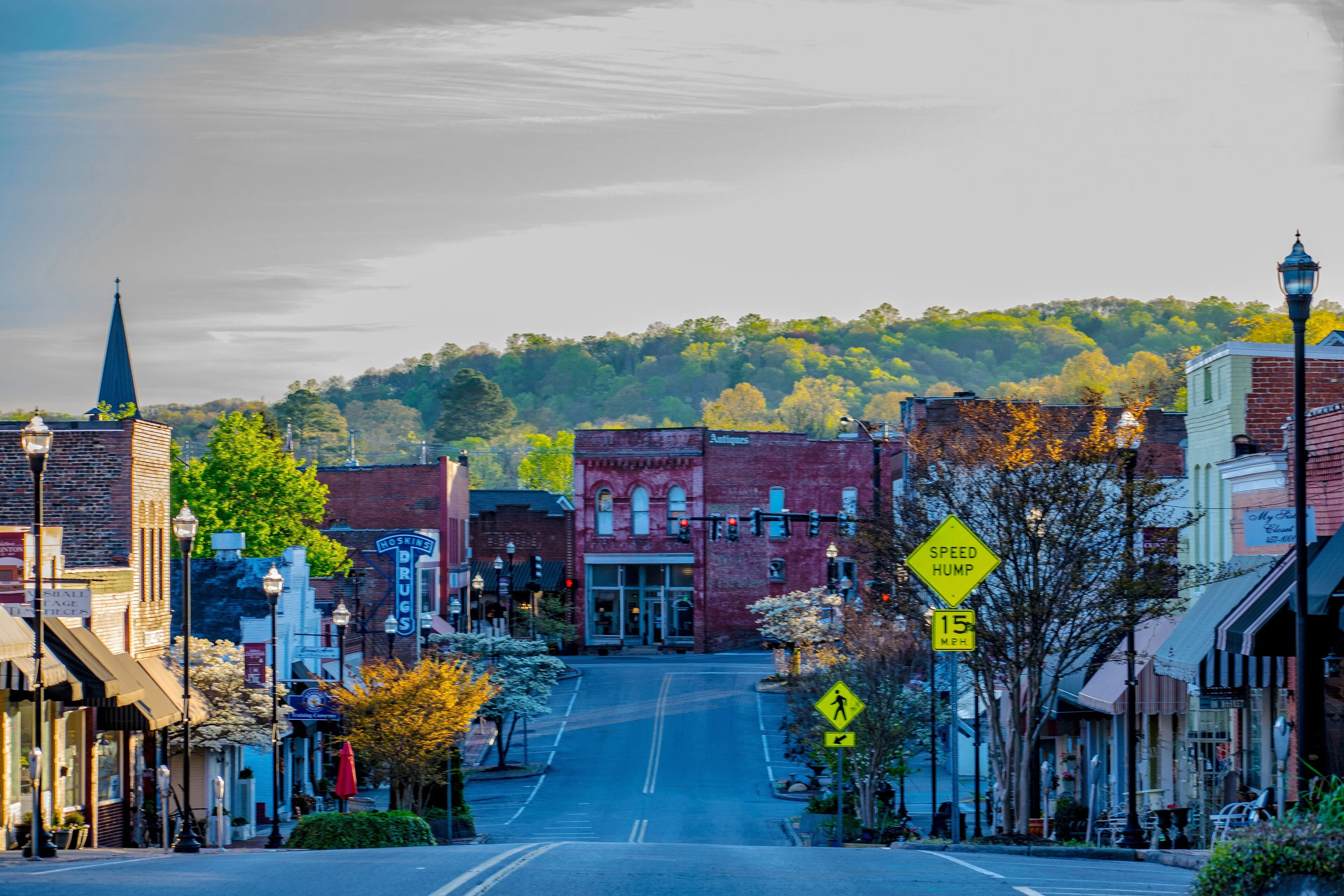
Knoxville's mixed-use development energy has concentrated in a handful of corridors that have fundamentally changed the city's urban fabric over the past decade. The Market Square district, Old City's restaurant and entertainment blocks, and the ongoing infill along Gay Street have drawn developers stacking ground-floor retail beneath apartments and boutique office suites in buildings that push four to six stories on parcels that once held surface parking or single-story commercial structures. The emerging Fifth and Broadway corridor and the South Knoxville waterfront are adding more mixed-use inventory that will need roofing systems built to last through East Tennessee's particular combination of summer humidity, winter ice events, and the occasional severe weather outbreak that comes with sitting at the edge of the Appalachian foothills.
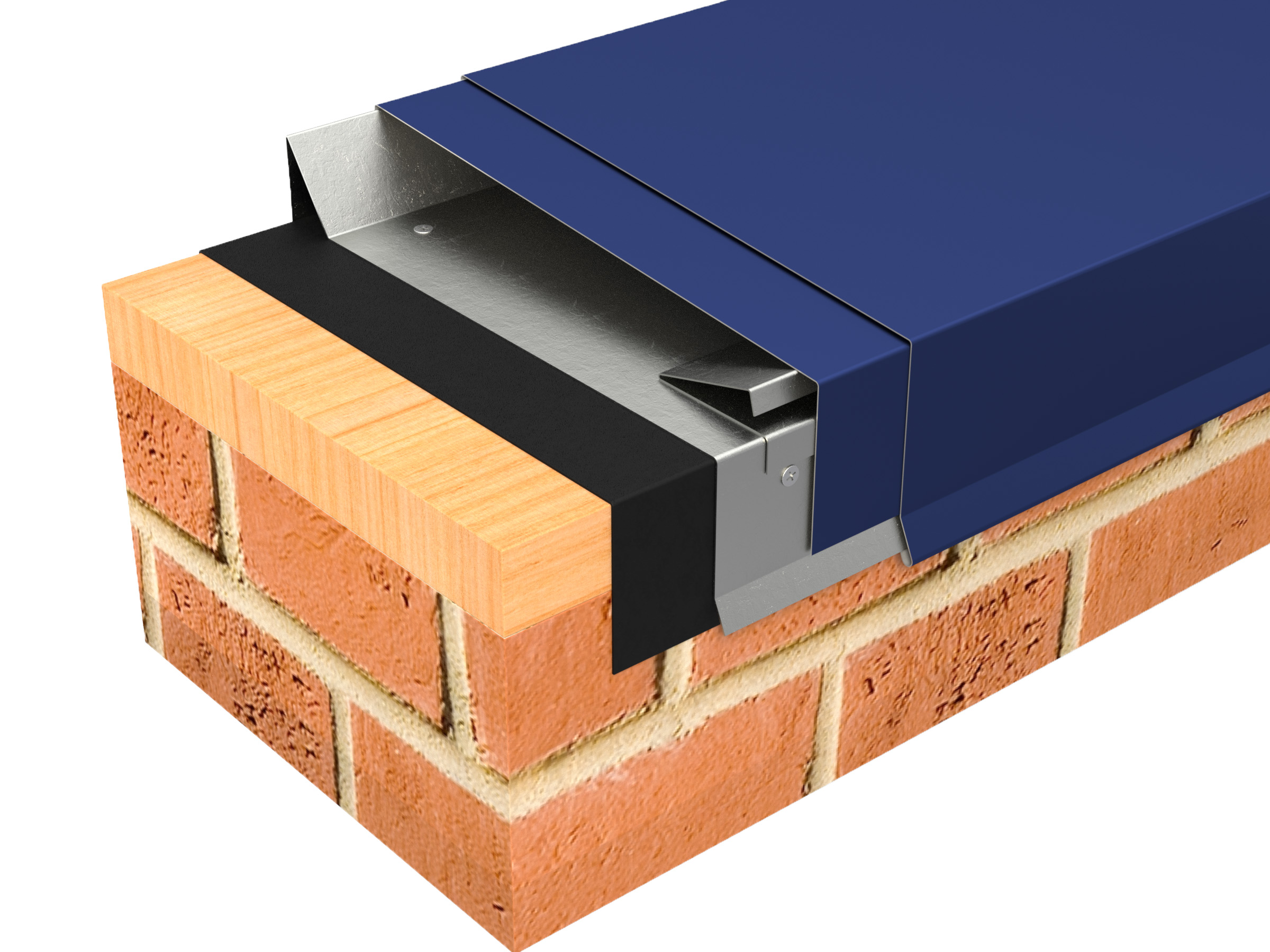
East Tennessee's climate presents a specific challenge for mixed-use waterproofing: the region experiences more freeze-thaw cycles per winter than most people expect from a Southern city, and those cycles concentrate damage at the transition zones between the commercial base and the residential upper floors. Knoxville's elevation and its position in the Tennessee Valley create temperature inversions that produce freezing rain and ice accumulation on parapets, scuppers, and step flashings far more often than Nashville or Memphis. We specify cold-weather-rated adhesives and sealants at all flashing terminations, use fully adhered membrane systems at parapet intersections to eliminate the lap-seam freeze-thaw vulnerability of mechanically fastened assemblies, and design scupper openings wide enough to pass flow even when partial ice damming restricts the throat.
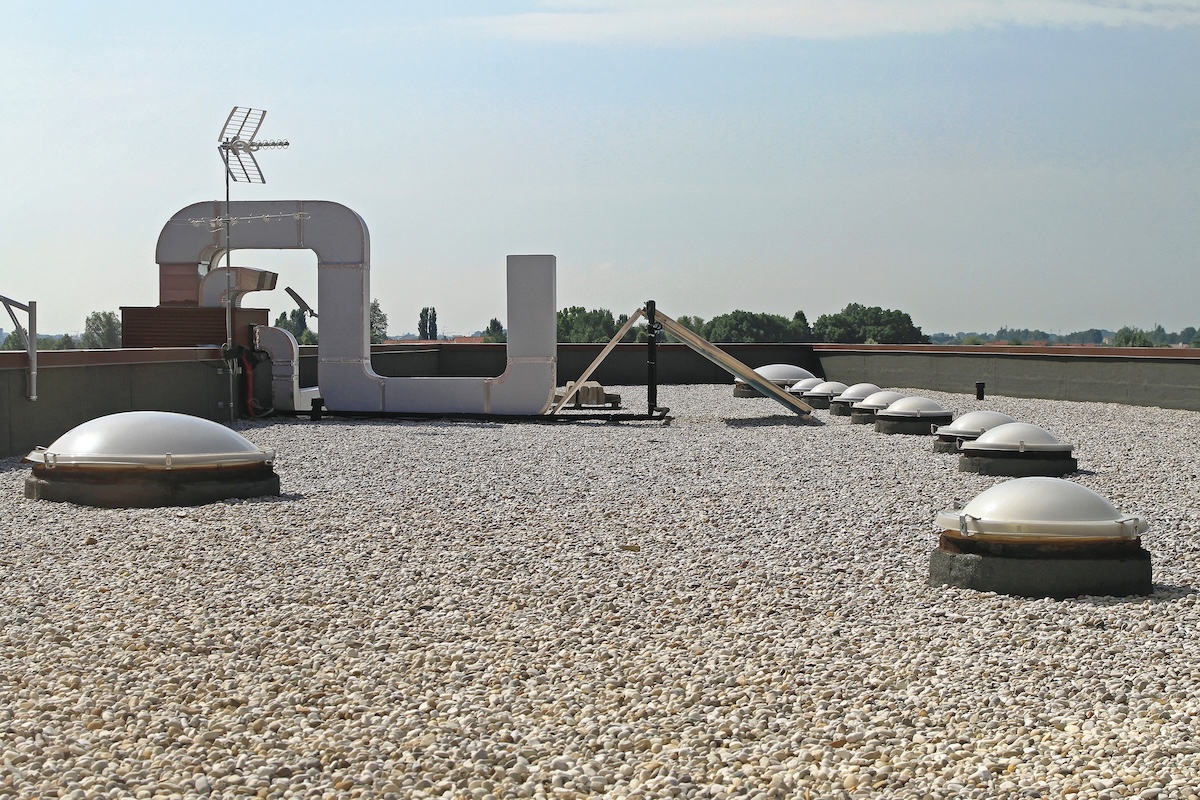
Waterproofing at the podium-deck level—the horizontal surface between a retail ground floor and the residential units above—is a detail that defines long-term building performance on Knoxville mixed-use projects. The Old City and Market Square buildings that have reached ten or fifteen years of age provide real-world data on where these assemblies fail: typically at drain sumps where debris accumulates, at HVAC curb penetrations where sealant has cycled through too many seasons, and at parapet corners where the membrane termination bar has pulled away from the substrate. We detail these locations with redundant protection layers, install drain sumps with removable clamping rings for accessible maintenance, and specify penetration pockets rather than field-applied sealant at all mechanical curbs.
Green roofs in Knoxville benefit from the city's moderate rainfall distribution—unlike Florida's feast-or-famine wet season, Knoxville receives precipitation relatively evenly across the year, which supports plant establishment without complex irrigation systems. Mixed-use buildings near the University of Tennessee campus and in the Fourth and Gill neighborhood have incorporated rooftop gardens that serve both as amenities for upper-floor residents and as stormwater management features that contribute to compliance with Knox County's post-construction stormwater requirements. We select native plant palettes suited to Tennessee's USDA hardiness zones and specify growing media depths calibrated to the structural capacity confirmed by the project engineer of record.
Rooftop amenity decks on Knoxville mixed-use buildings have become more ambitious as the downtown apartment market has matured. Buildings along Gay Street and in the emerging 100 Block corridor are incorporating resident terraces with fire pit seating, outdoor dining, and city views that look toward the Smoky Mountains on clear days. These occupied roof areas require a protection board layer over the waterproofing membrane, pedestal paver or deck-over-membrane systems that allow inspection access without disrupting the living surface, and structural coordination to confirm the deck framing supports the combined dead load of the assembly plus the live load of residents and furnishings without compromising the fire-resistance assembly below.
The multi-level roofline complexity of Knoxville mixed-use buildings reflects the narrow infill lots of the historic downtown grid, where a developer might build a four-story main block with a lower rear service wing, creating a step-down roof that collects water at the transition. Gay Street buildings often connect to alley-facing service structures at a lower elevation, and those connections are precisely where water infiltration begins when flashing details are not executed to full depth. We specify two-piece reglet-and-counterflashing systems at all wall-to-roof transitions, use reinforced membrane at inside and outside corners, and require pre-installation mockups on projects where the architectural drawings show complex geometry at the transition zone.
Fire-rated roof-ceiling assemblies are particularly consequential in Knoxville's historic mixed-use buildings, where original floor framing may be heavy timber or wood joist construction that does not automatically achieve the required hourly rating without an added membrane ceiling layer or spray-applied fire-resistive material. When developers convert historic structures on Market Square or in the Old City into mixed-use occupancies, the fire-protection scope often encompasses both the roof assembly and the structural elements exposed to the interior. We coordinate with the architect, structural engineer, and fire protection consultant to confirm that the roofing assembly contributes appropriately to the overall fire-resistance rating without conflicting with historic preservation requirements set by the Tennessee State Historic Preservation Office.
Noise isolation on Knoxville mixed-use projects is shaped by the city's active entertainment district, where venues on Market Square and in Old City generate bass frequencies that travel through structural connections into upper-floor residential units. The roof assembly's contribution to sound attenuation is primarily at mechanical equipment locations—rooftop HVAC units serving a restaurant below or a residential floor above can become significant vibration sources if mounted on standard non-isolated curbs. We specify spring-isolated curb systems for equipment above noise-sensitive occupancies, detail flexible duct connectors at all roof penetrations, and coordinate with the mechanical engineer to ensure that equipment selections include sound power data that the acoustic model can use.
Knoxville's mixed-use property managers benefit from maintenance programs that account for the city's oak and maple tree canopy, which deposits leaf debris on rooftop drains at a volume that can overwhelm drain capacity during October and November rain events. We schedule post-leaf-fall drain cleaning as a standard service item in our annual maintenance agreements, combined with inspection of all flashing terminations before the first winter freeze. This timing catches the sealant fatigue that summer UV exposure creates before ice formation can exploit any gaps, keeping Knoxville mixed-use buildings dry through the seasons that matter most for tenant retention and property value.
What information should we send before a Built-Up Roofing roof walk?
Before a Built-Up Roofing roof walk, send the building location, roof age if known, roof access instructions, leak photos, tenant restrictions, and prior roof reports. Those details let us shape the inspection around the actual roof problem instead of arriving with a generic checklist.
Can Built-Up Roofing be handled while the building stays occupied?
For Built-Up Roofing, occupied-building work depends on access, odor, noise, staging room, weather exposure, and how much roof must be opened at one time. We phase the work around dry-in, tenant protection, loading paths, and the operating schedule below the roof.
How do we compare repair, coating, recover, and replacement for Built-Up Roofing?
For Built-Up Roofing, we compare moisture evidence, layer count, deck condition, drainage, age, storm exposure, roof traffic, and future use before naming a scope. That evidence is what separates a repair file from a restoration plan, a recover option, or a replacement budget.
Do you promise manufacturer certification or insurance approval for Built-Up Roofing?
For Built-Up Roofing, we do not invent credentials, promise claim outcomes, or write warranty language before the facts support it. We document conditions, identify manufacturer or carrier questions, and keep recommendations tied to reviewable roof evidence.
What makes Knoxville planning different for Built-Up Roofing?
Knoxville planning for Built-Up Roofing has to account for downtown access, UT and hospital-area traffic, Pellissippi and Oak Ridge industrial corridors, humid Tennessee Valley heat, severe thunderstorms, hail, freeze-thaw movement, leaf debris, and wind-driven rain.