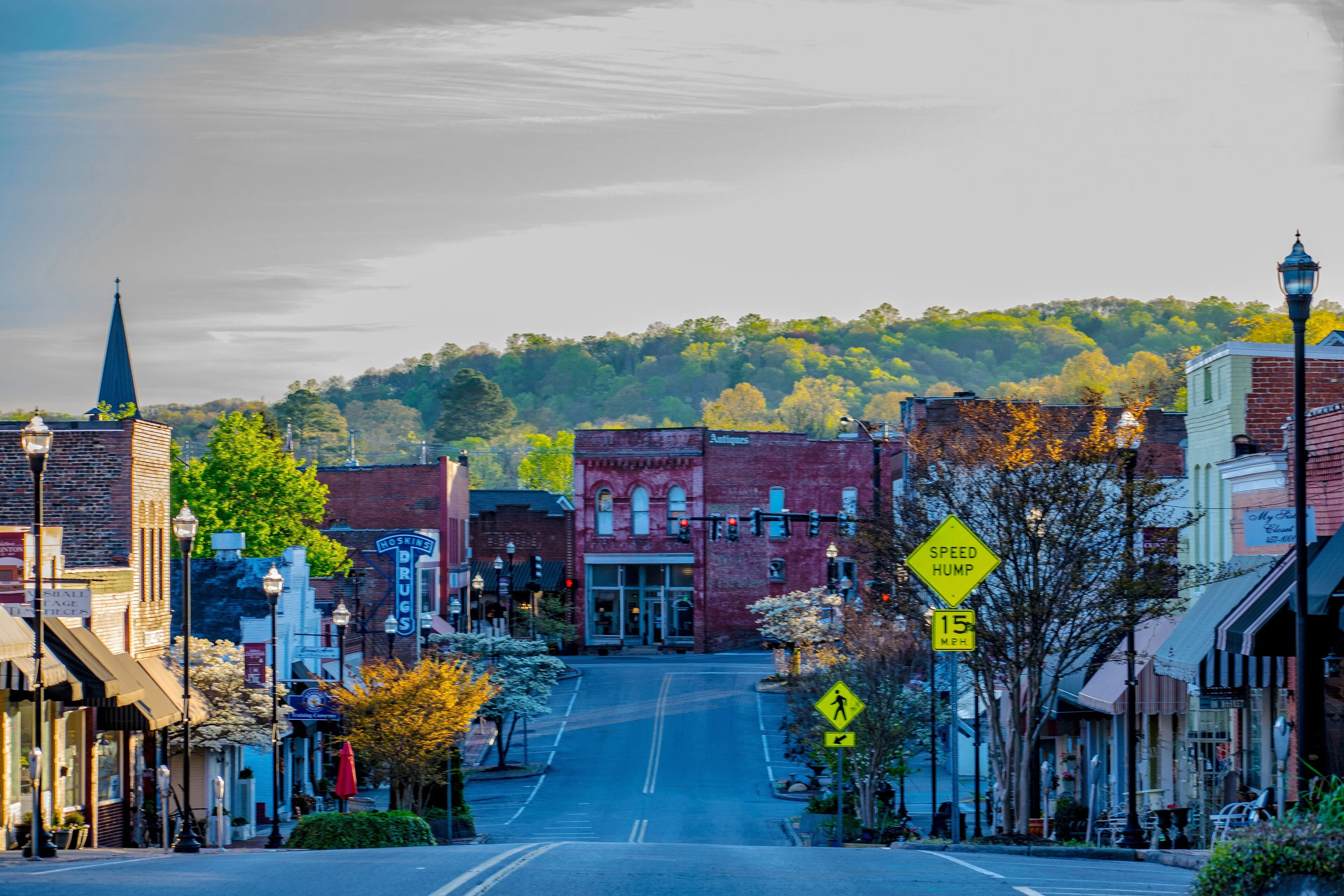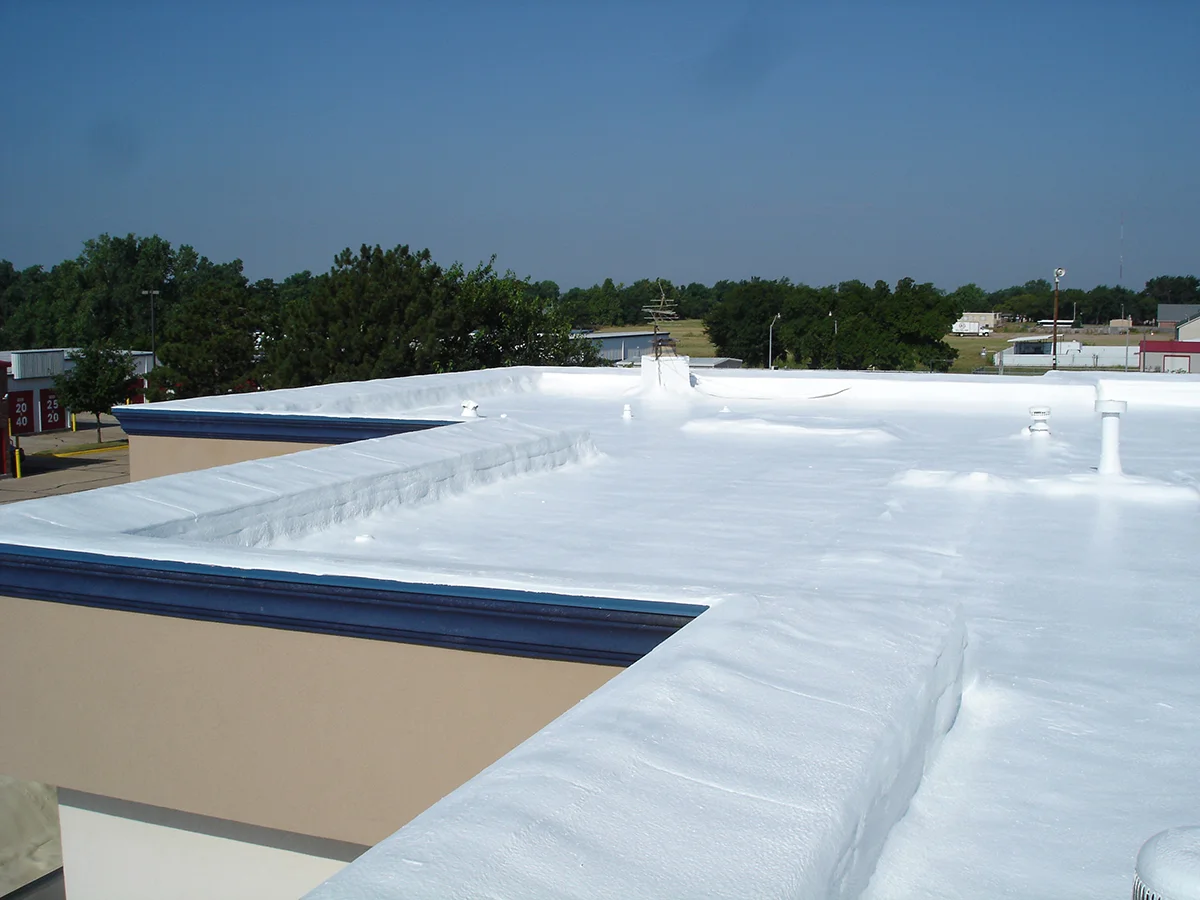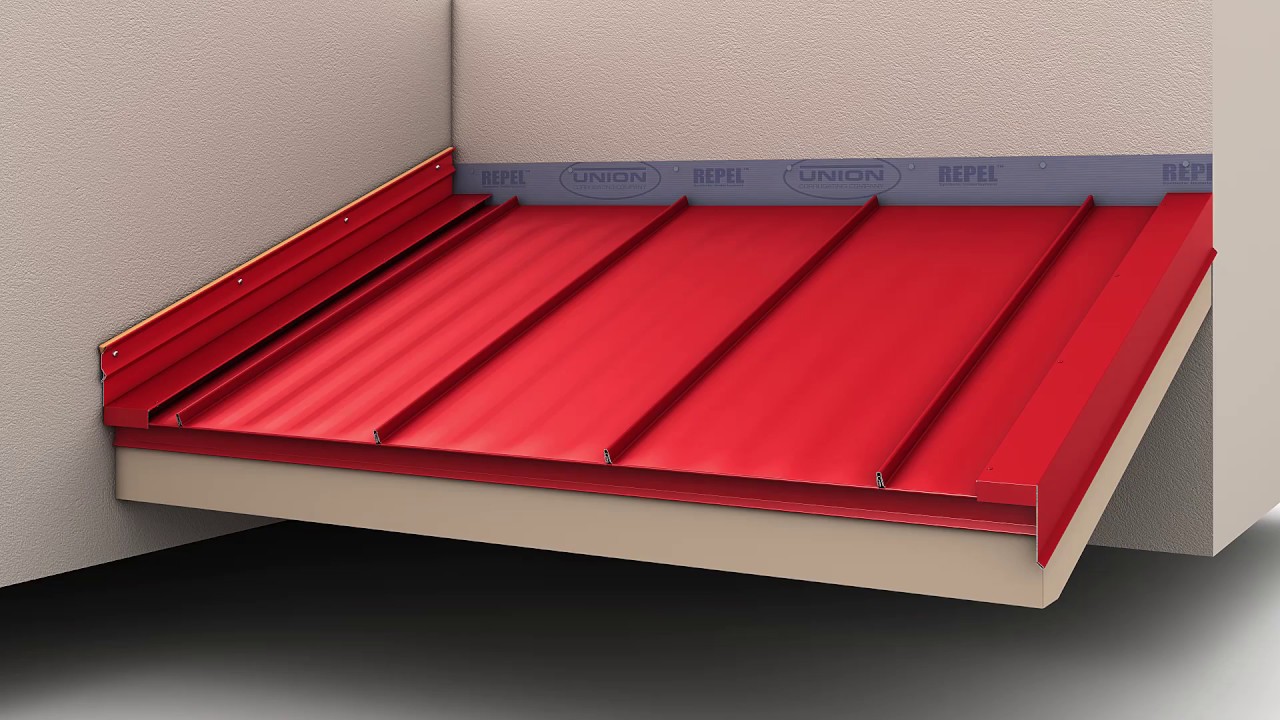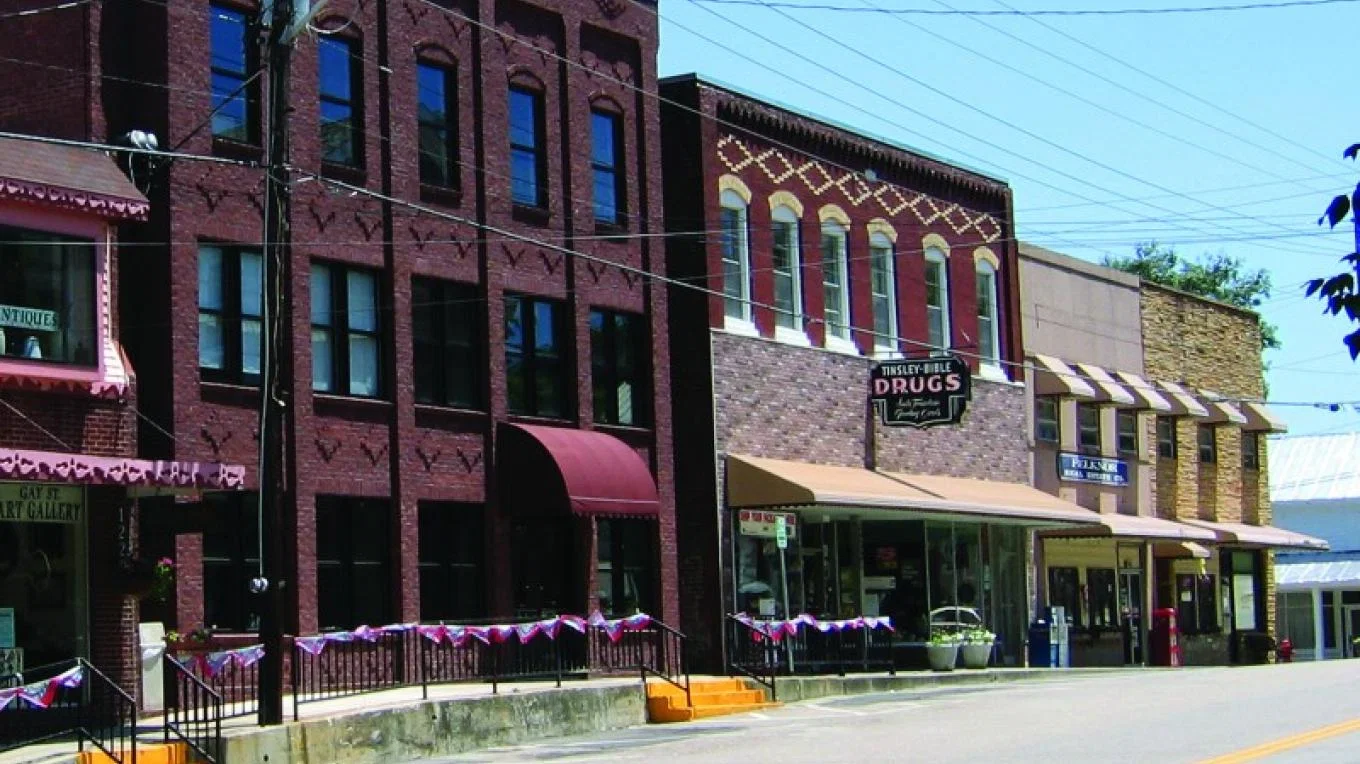
Roofing for food processing plants, cold storage facilities, and distribution centers throughout Knoxville, TN.
Knoxville's food processing and cold storage roofing market is defined by the intersection of the region's food service economy, academic food science, and the agricultural supply chain infrastructure supporting East Tennessee's farm-to-market network. Pilot Flying J's food service supply chain — one of the world's largest travel center operators is headquartered in Knoxville — requires significant cold storage and food preparation infrastructure to support thousands of retail fuel and food service locations nationwide. The University of Tennessee's food science program, one of the nation's leading academic food technology departments, operates laboratory and pilot plant facilities that require precision environmental control as demanding as commercial processing operations. The Bluegrass and Ridge Valley regional food supply chain — including poultry, cattle, and row crop agricultural distribution infrastructure — supports a network of temperature-controlled storage and processing facilities across the East Tennessee corridor. Commercial roofing for all of these operations must meet HACCP food safety standards while performing reliably through Knoxville's four-season climate.
Knoxville's humid subtropical climate, moderated by the Ridge and Valley physiographic province's elevation and terrain, creates cold storage roofing conditions that require careful seasonal analysis. Average annual rainfall of approximately 47 inches, distributed without a pronounced dry season, means that roof drainage and waterproofing integrity are year-round concerns rather than seasonal ones. Summer dewpoints in the upper 60s combined with interior refrigerated storage temperatures create significant vapor pressure differentials from May through September. Knoxville's transitional winter conditions — with temperatures occasionally dropping below 10°F — can temporarily reverse the vapor drive direction, making a bidirectional vapor analysis appropriate for facilities in this climate zone. Ice storm events in winter affect drainage systems and create temporary structural loading considerations that must be addressed in pre-winter maintenance protocols.
Pilot Flying J's food service supply chain infrastructure represents one of Knoxville's largest and most operationally complex food processing roofing environments. A travel center food service supply chain involves blast chilling of freshly prepared food, frozen storage of meal components, and refrigerated cross-docking of temperature-sensitive products to hundreds of retail locations. Each temperature zone within the facility has a different vapor management requirement, and the transition zones where refrigerated and non-refrigerated spaces meet are particularly susceptible to condensation problems if vapor management details are not carefully executed. Our experience with food service supply chain facilities of this type allows us to specify and detail the transition zone conditions — particularly at vestibule walls, dock walls, and service corridor junctions — that are the most common locations for moisture infiltration in multi-zone food processing buildings.
The University of Tennessee food science pilot plant facilities present an academic food processing roofing environment with specific characteristics. UT food science research involves pilot-scale food processing operations that create the same HACCP compliance requirements as commercial operations — moisture intrusion above a pilot plant is not just a building maintenance problem but a research contamination risk that can compromise experimental results, invalidate regulatory validation studies, and in some cases trigger FDA notification requirements for research involving hazard analysis. Our approach to academic food processing facility roofing includes the same consequence analysis methodology we apply to commercial HACCP-inspected facilities, mapping each roof zone to the operations below and specifying accordingly.
East Tennessee's agricultural food supply chain — including the poultry, cattle, and produce processing infrastructure that operates across the region — generates a cold storage and processing roofing demand in older industrial buildings throughout the Knoxville market. Many of these facilities were originally built as general industrial or agricultural storage structures and have been converted or adapted to food processing use over time. The existing roofing systems on these buildings often reflect their original non-food-processing use — adequate for a general warehouse but not designed for the vapor management demands of a refrigerated food storage application. Our pre-construction assessments for East Tennessee food processing facilities treat the compatibility of the existing assembly with the current use as a fundamental question, not an assumption, and our specifications address any identified incompatibilities explicitly.
HACCP compliance for Knoxville food processing facilities that fall under FDA jurisdiction (FSMA) or USDA jurisdiction (FSIS) requires documented environmental control programs. The physical plant — including the roofing system — must be managed under a documented maintenance program that provides evidence of proactive contamination risk management. In practice, this means that a Knoxville food processor needs a roofing maintenance partner who provides documented inspection reports, thermographic survey records, and repair documentation on a predictable schedule that supports the facility's food safety plan documentation requirements. Our service programs for Knoxville food processing clients are structured to produce exactly this evidence trail, with reports formatted to support both internal food safety program documentation and third-party GFSI audit review.
Regal Cinemas' supply chain infrastructure in Knoxville — though a food service operation rather than a primary food processor — illustrates the breadth of temperature-controlled building applications that require cold storage roofing expertise. Food service supply chains for large entertainment venue operators involve significant cold storage warehousing for concession inventory, with requirements for HACCP compliance at the distribution level under FDA Preventive Controls regulations. The roofing above a food service distribution facility for a major entertainment chain is subject to the same FDA physical plant requirements as the distribution center for a grocery chain, and the same technical standards for vapor management and insulation integrity apply.
Energy efficiency for Knoxville food processing roofs benefits from the moderate regional climate and TVA's hydroelectric-heavy power mix. While TVA electricity rates are competitive, the energy cost of maintaining refrigerated storage in Knoxville's summer climate is still a meaningful operating expense for large cold chain facilities. Cool roof membrane upgrades that reduce peak surface temperatures combined with insulation R-value improvements through polyisocyanurate upgrade deliver compounded energy savings — the reflective membrane reduces conductive heat gain through the assembly, while the increased R-value slows the rate of heat transfer that reaches the refrigerated space. TVA's EnergyRight Solutions program for commercial facilities recognizes both measures and may provide financial incentives for qualifying projects.
Ice storm risk in Knoxville creates a specific pre-winter maintenance imperative for food processing facilities that is more acute than in most Southeast markets. An ice storm that blocks roof drains on a large cold storage building can create ponding loads that stress the roof deck and potentially compromise the refrigeration system's ability to maintain setpoints during the extended cold period that typically follows a significant icing event. Pre-winter drain inspection and cleaning — verified by October 31 each year — combined with overflow scupper capacity verification is the most important single preventive maintenance activity for Knoxville cold storage operators. Our service contracts for Knoxville food processing clients include this verification as a mandatory pre-winter deliverable.
Knoxville's food processing and cold storage roofing market will continue to be defined by the region's diverse agricultural economy, its food service supply chain anchor in Pilot Flying J, and the growing academic and commercial food technology sector associated with UT's food science programs. The technical requirements — cold storage vapor management, HACCP compliance documentation, ice storm preparedness, and multi-zone vapor analysis — demand a roofing contractor with demonstrated experience in food processing and cold chain applications rather than general commercial roofing expertise. Our team's cold storage roofing credentials, TVA incentive documentation experience, and Knoxville-specific climate knowledge position us as the preferred partner for East Tennessee food processing operators.
Q: What vapor management approach is required for multi-temperature-zone food processing facilities in Knoxville?
A: Each temperature zone requires independent vapor retarder analysis based on its specific interior setpoint and Knoxville's psychrometric data. Transition zones between refrigerated and non-refrigerated spaces are the highest-risk infiltration locations and require specially detailed vestibule and dock wall conditions that manage vapor migration at zone boundaries.
Q: How does UTK food science facility roofing differ from commercial food processing roofing?
A: Academic pilot plant facilities carry the same HACCP contamination risk implications as commercial operations. Moisture intrusion above a pilot plant can compromise experimental results and invalidate regulatory validation studies. Our consequence analysis approach applies to academic facilities with the same rigor as commercial USDA or FDA-inspected operations.
Q: When should ice storm drain inspection occur for Knoxville cold storage facilities?
A: Drain inspection and cleaning must be verified before October 31 each year. Overflow scupper capacity should be confirmed at the same visit. Ponding from blocked drains during ice events can create structural loads and compromise refrigeration system temperature control during the extended cold period that follows significant icing events.
Q: What TVA incentives are available for cool roof or insulation upgrades on Knoxville food processing facilities?
A: TVA's EnergyRight Solutions program for commercial facilities recognizes both reflective cool roof membranes and insulation R-value improvements as qualifying energy efficiency measures. Our project documentation includes the energy modeling data needed to support EnergyRight incentive applications for qualifying facilities.
Q: What is the most common roofing failure mode on older converted industrial buildings used for food processing in East Tennessee?
A: Vapor retarder incompatibility with the refrigerated use — original assemblies designed for dry warehouse storage lack the vapor retarder performance needed for cold storage. This results in progressive insulation saturation that is invisible from inside the building until significant R-value degradation has occurred. Pre-construction thermographic survey identifies this condition before a new system is specified.
What information should we send before a Commercial Real Estate and REITs roof walk?
Before a Commercial Real Estate and REITs roof walk, send the building location, roof age if known, roof access instructions, leak photos, tenant restrictions, and prior roof reports. Those details let us shape the inspection around the actual roof problem instead of arriving with a generic checklist.
Can Commercial Real Estate and REITs be handled while the building stays occupied?
For Commercial Real Estate and REITs, occupied-building work depends on access, odor, noise, staging room, weather exposure, and how much roof must be opened at one time. We phase the work around dry-in, tenant protection, loading paths, and the operating schedule below the roof.
How do we compare repair, coating, recover, and replacement for Commercial Real Estate and REITs?
For Commercial Real Estate and REITs, we compare moisture evidence, layer count, deck condition, drainage, age, storm exposure, roof traffic, and future use before naming a scope. That evidence is what separates a repair file from a restoration plan, a recover option, or a replacement budget.
Do you promise manufacturer certification or insurance approval for Commercial Real Estate and REITs?
For Commercial Real Estate and REITs, we do not invent credentials, promise claim outcomes, or write warranty language before the facts support it. We document conditions, identify manufacturer or carrier questions, and keep recommendations tied to reviewable roof evidence.
What makes Knoxville planning different for Commercial Real Estate and REITs?
Knoxville planning for Commercial Real Estate and REITs has to account for downtown access, UT and hospital-area traffic, Pellissippi and Oak Ridge industrial corridors, humid Tennessee Valley heat, severe thunderstorms, hail, freeze-thaw movement, leaf debris, and wind-driven rain.