Commercial roofing for restaurants, quick-service chains, breweries, and food service facilities throughout Knoxville, TN.
Knoxville's dining landscape has transformed dramatically since the Market Square district was revitalized, and the restaurant density running from the Old City through downtown to the Strip near the University of Tennessee campus means there are hundreds of commercial kitchen roofs that cycle through extreme heat, seasonal storms, and the mechanical wear that comes with round-the-clock food service. The Tennessee River valley's humidity, combined with the ridgeline geography that funnels wind and precipitation through the city, creates roofing conditions that require both the right membrane selection and contractor experience specific to food service buildings.
Grease exhaust management on Knoxville restaurant roofs is complicated by the city's older building stock. Many of the restaurants operating in the Old City and along Gay Street occupy brick buildings constructed before commercial kitchen ventilation was a code requirement, which means exhaust stacks were added to roofs not designed for them. The result is often a collection of field-fabricated curbs, inconsistently flashed penetrations, and pitch pockets filled with cracked sealant that hasn't been touched in years. A proper roofing contractor will rebuild these curbs with factory-formed sheet metal and integrate them into the new membrane system rather than simply flashing over deteriorated existing components.
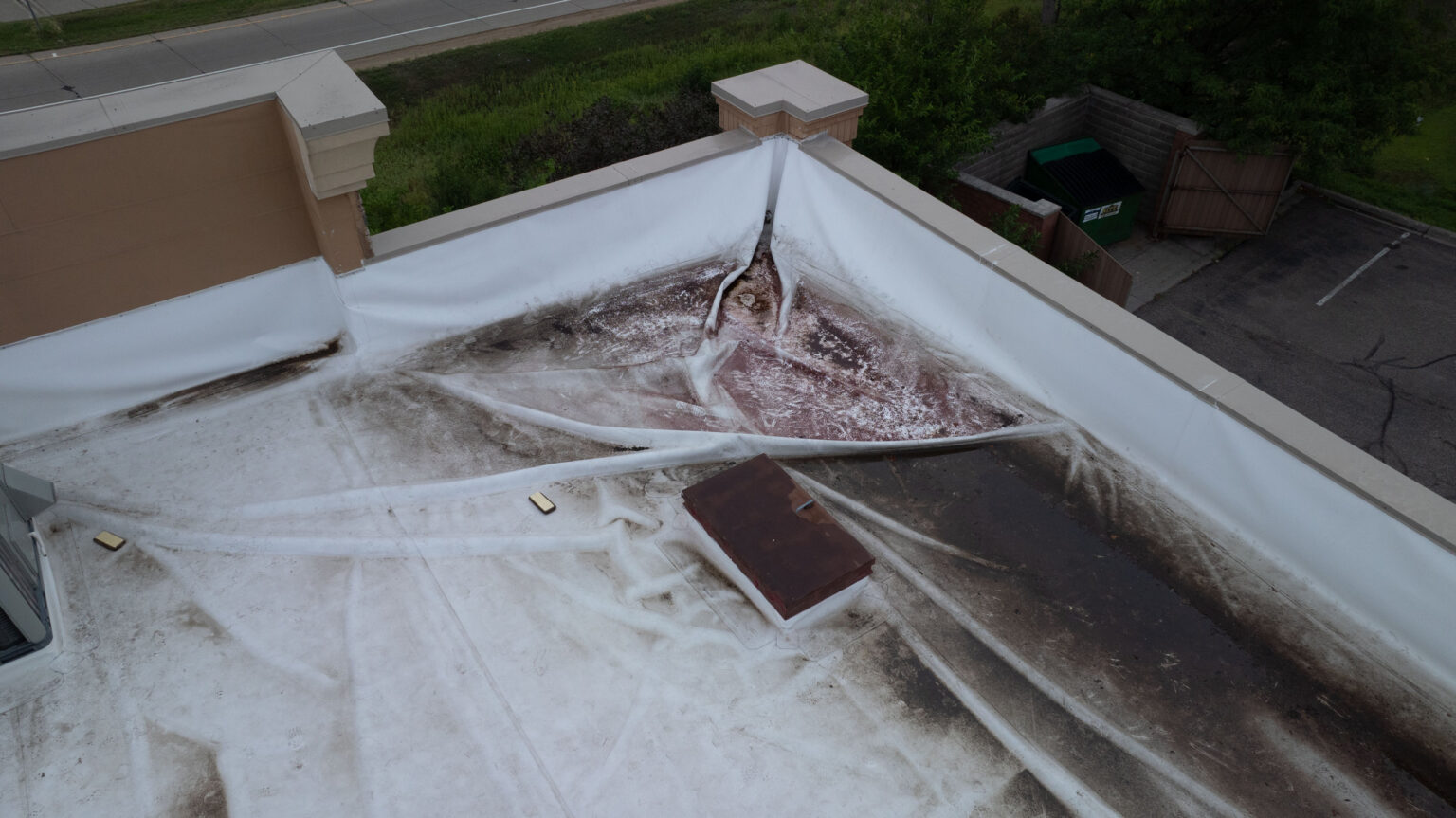
Knoxville receives significant winter precipitation, including ice storms that can arrive with little warning and deposit a quarter-inch of glaze ice across rooftop equipment, exhaust stacks, and walkways. Restaurant roofs that have standing water in low spots — common on flat-to-low-slope systems that have settled over decades — develop ice dams at drain locations that back water under flashings during the melt. Ensuring positive drainage across the entire field of a Knoxville restaurant roof is not just a comfort measure; it's a structural and water-intrusion prevention necessity. Contractors who address drain slope with tapered insulation rather than mechanical leveling avoid the long-term settlement issues that re-create the problem.
The quick-service restaurant corridors on Kingston Pike and Chapman Highway serve some of the highest traffic volumes in the Knoxville market, and the buildings housing those drive-through operations are often repurposed structures that have changed QSR brands multiple times. Each brand transition typically brings new kitchen equipment with different exhaust requirements, meaning the rooftop curb layout evolves over years of patched penetrations. When a building owner finally commits to a full roof replacement, the first task is to rationalize the curb field — abandoning and properly patching decommissioned penetrations, rebuilding undersized curbs for new equipment, and documenting the final layout so the next service contractor can work safely without accidentally cutting through an active exhaust stack.
Knoxville's craft brewery scene, headlined by operations in the Fourth and Gill neighborhood and the emerging South Knoxville food corridor, presents the same dual-challenge environment seen in other brewery markets: commercial kitchen exhaust layered on top of fermentation-driven interior humidity. Brewpubs in Knoxville that occupy converted industrial spaces often have metal deck roofs with minimal slope, which means water management depends entirely on functional drains and scuppers. A plugged drain on a Knoxville brewery roof during a heavy rain event can deposit thousands of gallons of water on a deck not designed for that load, and the resulting emergency is both expensive and potentially dangerous to the building occupants below.
Tennessee health code requirements for restaurant ventilation are enforced by the Department of Health through regular inspections, and a roofing project that inadvertently interrupts kitchen exhaust service can trigger a compliance flag. Knoxville restaurant operators who are planning a roof project should obtain written confirmation from their roofing contractor that all exhaust fan connections will be maintained or properly capped during any temporary disconnection and that service will be restored before each day's service window. This documentation protects the operator in the event of a surprise health inspection during the construction period and keeps the contractor accountable to the agreed schedule.
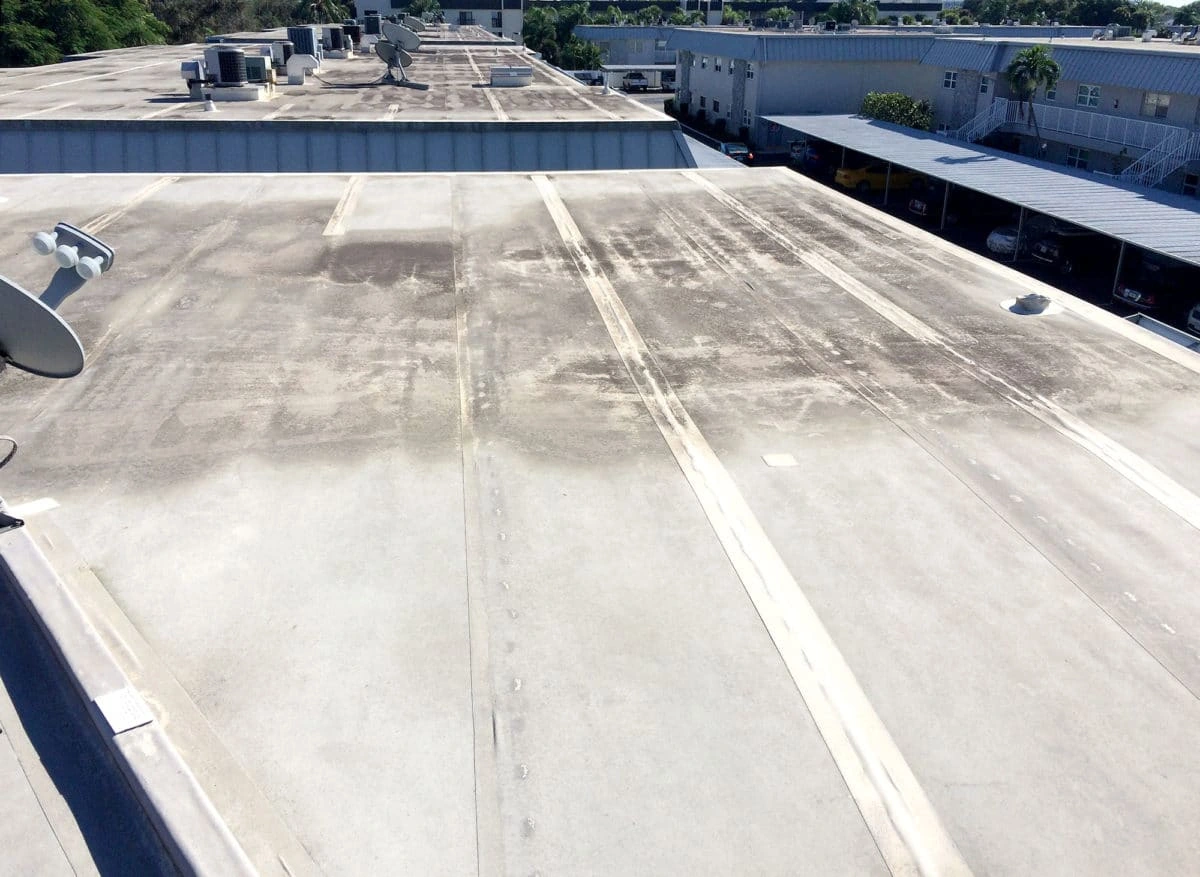
Walk-in cooler and refrigerator condenser units on Knoxville restaurant roofs accumulate heat during the summer months that can drive surface temperatures at the membrane well above ambient air temperature. The combination of concentrated heat load near condensers, grease residue near exhaust stacks, and foot traffic from service technicians creates multiple localized stress points across the roof field. Specifying a 60-mil or heavier membrane with a high-density cover board in those concentrated-load zones — rather than using a uniform specification across the entire field — is a cost-effective way to extend system life where the wear is most likely to occur first.
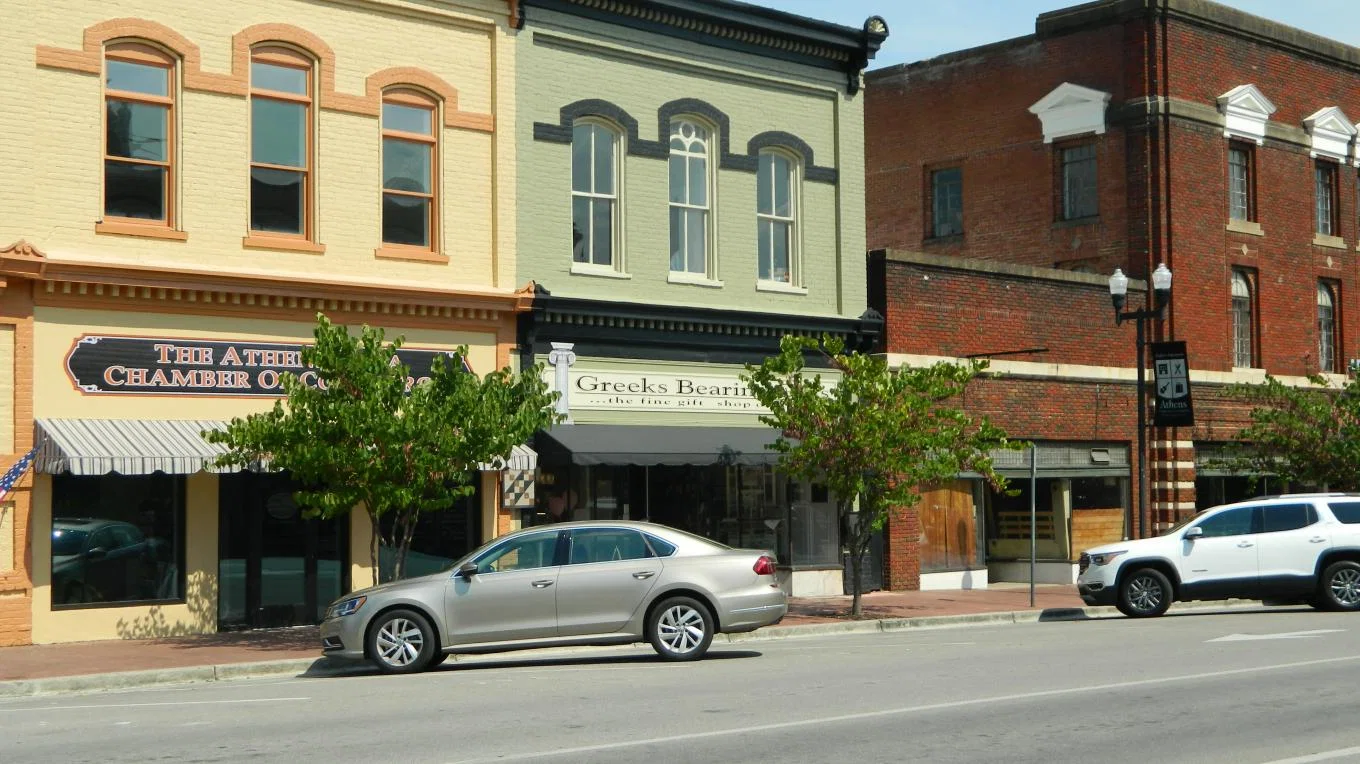
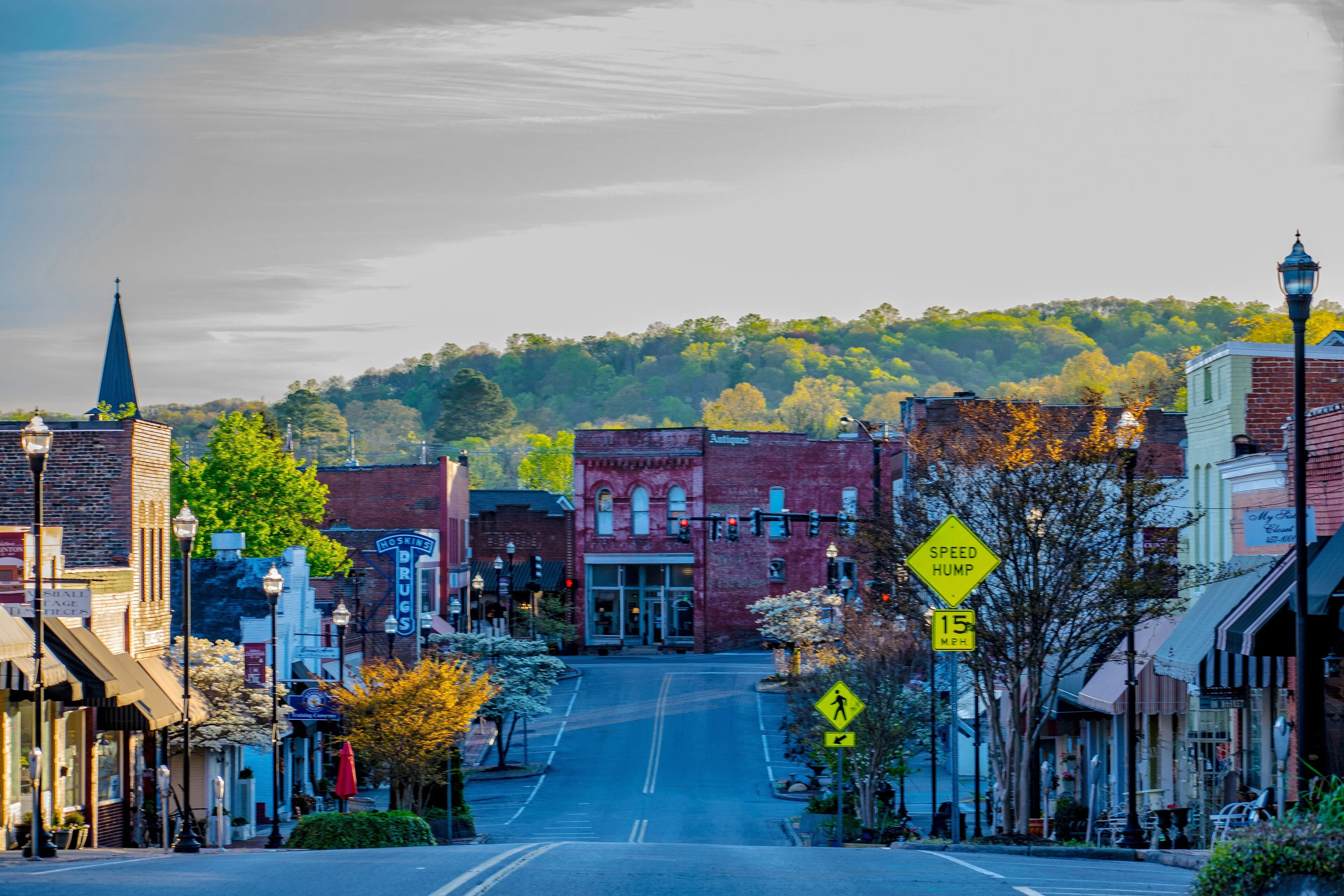
Market Square restaurants and the several brewpubs operating in the Old City typically have limited rooftop access, with parapet walls, historic masonry constraints, and narrow alley access that complicate equipment logistics. Experienced Knoxville contractors pre-stage materials using crane lifts scheduled during off-peak hours to minimize disruption to neighboring businesses. Coordinating lift times with the city's event calendar — Knoxville hosts numerous festivals and concerts that close downtown streets — is an operational detail that separates contractors who regularly work in the urban core from those who typically operate in suburban commercial parks.
A thorough roofing proposal for any Knoxville restaurant should address not just membrane type and thickness but the full penetration inventory: exhaust curbs, makeup-air unit curbs, refrigeration line sets, electrical conduit sleeves, gas line boots, and drain bodies. Each of these items represents a potential failure point that a new membrane alone cannot address. Bundling curb reconstruction, drain body replacement, and penetration resealing into the base scope — rather than presenting them as add-alternates — gives the restaurant owner a realistic budget number and eliminates the surprise change orders that generate conflict and delay during construction.
What information should we send before a Built-Up Roofing roof walk?
Before a Built-Up Roofing roof walk, send the building location, roof age if known, roof access instructions, leak photos, tenant restrictions, and prior roof reports. Those details let us shape the inspection around the actual roof problem instead of arriving with a generic checklist.
Can Built-Up Roofing be handled while the building stays occupied?
For Built-Up Roofing, occupied-building work depends on access, odor, noise, staging room, weather exposure, and how much roof must be opened at one time. We phase the work around dry-in, tenant protection, loading paths, and the operating schedule below the roof.
How do we compare repair, coating, recover, and replacement for Built-Up Roofing?
For Built-Up Roofing, we compare moisture evidence, layer count, deck condition, drainage, age, storm exposure, roof traffic, and future use before naming a scope. That evidence is what separates a repair file from a restoration plan, a recover option, or a replacement budget.
Do you promise manufacturer certification or insurance approval for Built-Up Roofing?
For Built-Up Roofing, we do not invent credentials, promise claim outcomes, or write warranty language before the facts support it. We document conditions, identify manufacturer or carrier questions, and keep recommendations tied to reviewable roof evidence.
What makes Knoxville planning different for Built-Up Roofing?
Knoxville planning for Built-Up Roofing has to account for downtown access, UT and hospital-area traffic, Pellissippi and Oak Ridge industrial corridors, humid Tennessee Valley heat, severe thunderstorms, hail, freeze-thaw movement, leaf debris, and wind-driven rain.